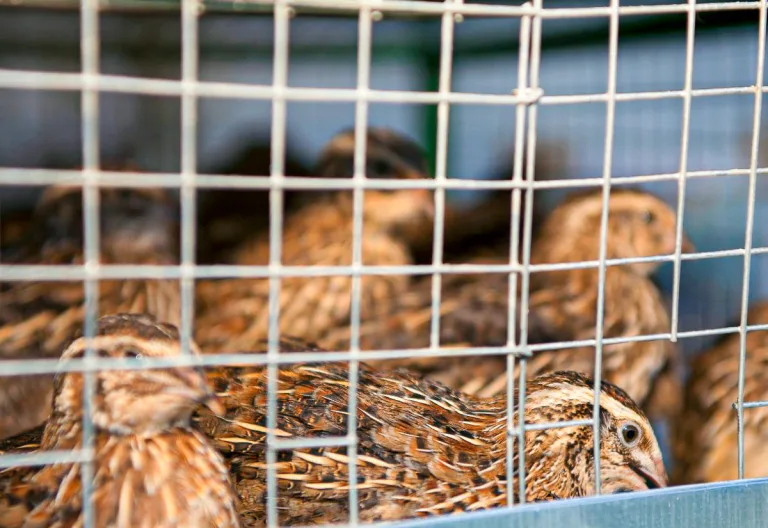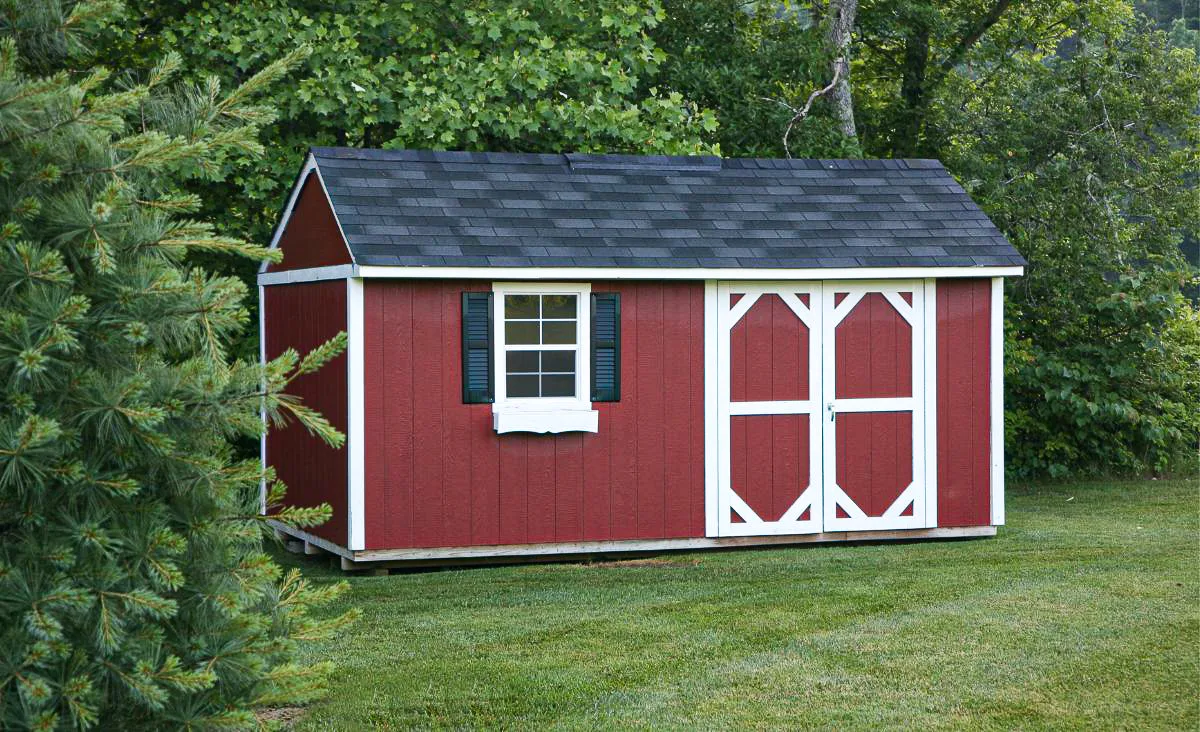
Can Coturnix Quail Live in a Garage or Shed?
I get this question every winter and every time someone runs out of outdoor space. I have raised Coturnix quail in open pens, enclosed setups, and through long Maine winters where ventilation matters more than temperature. I have seen enclosed setups stay clean for years, and I have seen others start smelling within two weeks because ventilation was underestimated.
Yes. I’ve done it. But it only works when ventilation and cleaning are consistent. If those are handled correctly, it can work. If they are ignored, problems build quietly.
Here’s what determines whether it works.
When a Garage or Shed Can Work
Coturnix quail begin laying around 6 to 8 weeks of age and are fully feathered by 4 weeks. Mature birds on a 17 to 20 percent layer feed tolerate cold far better than most people expect. They do not require heat as adults if they are dry and protected from drafts, even in freezing temperatures.
A garage or shed works when humidity stays controlled, fresh air moves consistently, and the birds are not sharing space with vehicles or chemicals. It also works best when you keep numbers realistic.
A small covey of 6 to 15 birds in stacked cages is manageable. Fifty birds loose in a closed shed is not.
If you are trying to determine how many birds your space can safely support, the Backyard Quail Pen Planner in my free Resource Library helps you map square footage, access space, and cleaning paths before you move birds indoors.
The Non-Negotiables for Enclosed Housing
This is the difference between a setup that works and one that smells by week three.
Ventilation Is Not Optional
Quail droppings release ammonia as they break down. Outdoors, it dissipates quickly. Indoors, it settles and accumulates.
Ammonia is heavier than air, so it concentrates low where the birds live. If you walk into the garage and immediately smell ammonia, ventilation is already insufficient. You should not smell strong ammonia at nose level. Light odor during cleaning is normal. Persistent odor is not.
Opening the door once a day won’t fix it. You should be able to close the space overnight and walk in the next morning without eye irritation or strong odor. That can mean cross-ventilation through opposing vents or a small exhaust fan pulling stale air out while allowing fresh air in. If you cannot keep air moving daily, even in winter, a garage setup is not a good fit.
Humidity compounds the issue. In winter, condensation on walls or ceilings drips into bedding and speeds up ammonia production. Once litter stays damp, odor increases quickly. If you see moisture on windows or metal surfaces, assume your bedding is also absorbing humidity.
If you want a deeper breakdown of odor management in enclosed setups, read my post on what quail smell is really like in enclosed housing.
Space Standards Still Apply
Indoor housing does not reduce how much space quail need. It increases how careful you must be with density.
For stacked wire cages or production-style systems, 2 to 3 birds per square foot is appropriate. For colony-style pens, aim for at least 1 square foot per bird.
This is where things look fine on paper but don’t work in real life. Ten birds in a 4 square foot cage may meet density standards. Ten birds in a small, stagnant shed still meet density standards, but the air volume of the building becomes the limiting factor.
If you need clarity on stocking density across different housing types, review my guide to proper space requirements for Coturnix quail in pens and cages before moving birds indoors.
Garage vs Shed: The Real Differences
A garage and a shed are not the same environment.
Keeping Quail in a Garage
Garages often contain vehicles, fuel cans, lawn equipment, and stored chemicals. Running a vehicle in a garage that houses birds, even briefly, creates unnecessary risk.
Garages swing in temperature when doors open and close. When a garage door opens in January, the temperature can drop 20 degrees in minutes. Repeated swings like that stress birds more than steady cold. Cold is not the issue. Sudden drafts are.
Feather dust is another consideration. Coturnix produce fine dust that settles on surfaces. In a garage, that means tools, shelves, and vehicles. Over time, that dust accumulates.
Keeping Quail in a Shed
Sheds are usually uninsulated. Interior temperatures may mirror outside temperatures, which is fine for mature birds if they are dry and protected from wind.
Moisture is the bigger concern. If the roof sweats or you see water droplets forming on the underside of metal roofing, you will fight odor all season. Moisture is what turns a tolerable indoor setup into a respiratory problem.
Electricity also matters. If you plan to provide 14 hours of light for consistent laying or use heated nipple waterers in freezing weather, you need safe power access.
For a broader look at winter management in cold climates, see my guide on managing Coturnix quail through Maine winters.
How Many Birds Is Realistic Indoors?
This works at small scale. It gets hard fast as numbers grow.
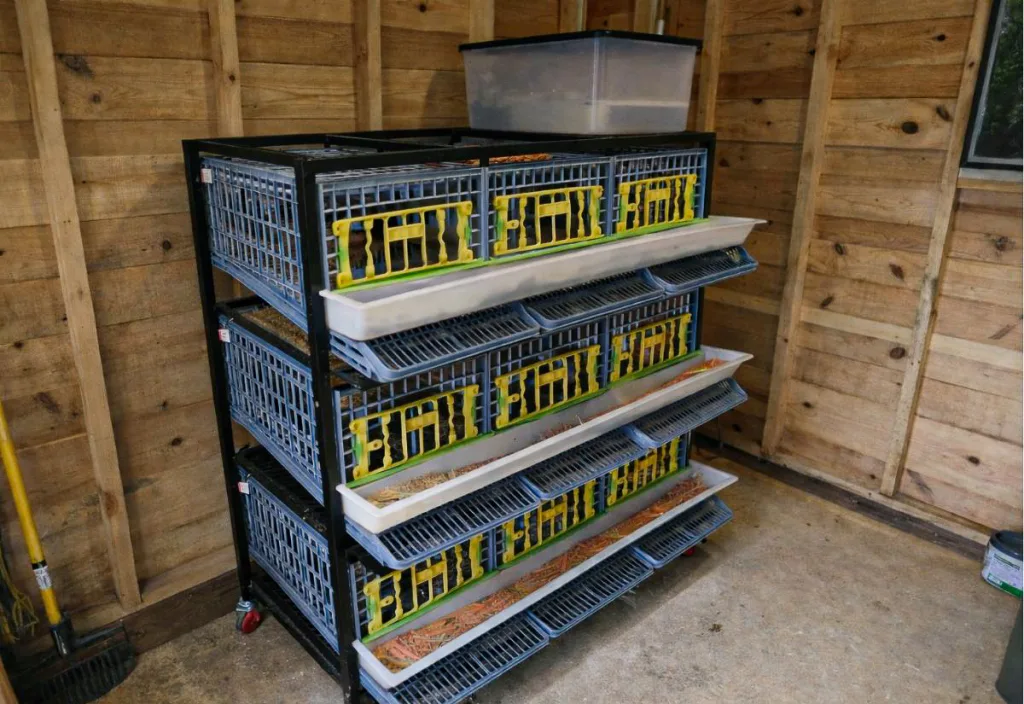
A small covey of 6 to 15 birds in stacked cages with removable dropping trays can work very well. Cleaning trays every one to three days keeps odor controlled, depending on humidity, bird age, and diet.
At 10 birds, tray cleaning every two days may be enough. At 25 birds, you may need daily waste removal to prevent odor. Doubling your bird count more than doubles your cleaning time indoors. Once you move past 20 birds in an enclosed space, air management becomes significantly more demanding.
If you plan to use a cage system indoors, design matters. Deep dropping trays, proper spacing between tiers, and durable materials make cleaning more predictable. I use production-style cages similar to those from Hatching Time because removable trays and airflow spacing reduce indoor odor buildup and make waste management consistent. If you are researching equipment, evaluate tray depth and airflow spacing carefully before committing.
A good cage helps. It does not fix bad airflow. Equipment cannot compensate for stale air. Cages make cleaning easier, not ventilation unnecessary.
Daily and Weekly Management Expectations
Indoors, you cannot skip days.
Each day, look for watery droppings, strong odor, damp bedding, and birds sitting fluffed in corners. Healthy birds will move quickly when you approach. If several remain still or isolate themselves, investigate immediately. If your eyes water before the birds react, ventilation needs improvement.
Weekly, remove accumulated waste fully, wipe down surfaces, and inspect corners where dust settles.
If you are unsure how much time this realistically takes, read my breakdown of how much time Coturnix quail require each day before deciding on an indoor setup.
Frequently Asked Questions
Still weighing whether a garage or shed is the right move? These are the questions I hear most often when someone is trying to make this decision for their covey.
I do not recommend sharing the space. Exhaust exposure, chemical storage, and dust buildup increase risk. A dedicated area is safer.
They can if ventilation and cleaning are inconsistent. With proper airflow and routine waste removal, odor should remain mild. Strong ammonia smell means intervention is needed immediately.
Mature Coturnix quail do not require supplemental heat if fully feathered, dry, and draft-protected. They are fully feathered by 4 weeks. Chicks require brooder heat starting at 95 degrees Fahrenheit the first week, decreasing 5 degrees per week until fully feathered.
To maintain egg production, aim for about 14 hours of light per day. Inconsistent lighting reduces laying and can disrupt behavior.
It depends on moisture, ventilation, and whether the space is shared with vehicles or chemicals. A dry, ventilated shed dedicated to birds is usually safer than a multi-use garage.

It’s not the garage that makes it work. It’s the standards you keep. If you cannot provide consistent airflow and regular waste removal, do not move quail into a garage. If your space stays damp or shares air with vehicles, choose an outdoor setup instead.
If you understand your space, keep your numbers realistic, and commit to consistent maintenance, enclosed housing can be stable and manageable. If ventilation is weak or cleaning slips, problems show up gradually in odor, dust, and bird behavior.
If you watch them closely, nothing sneaks up on you. That’s the difference between manageable and miserable.