Do Quail Smell? An Honest Look at Smell, Space + Setup
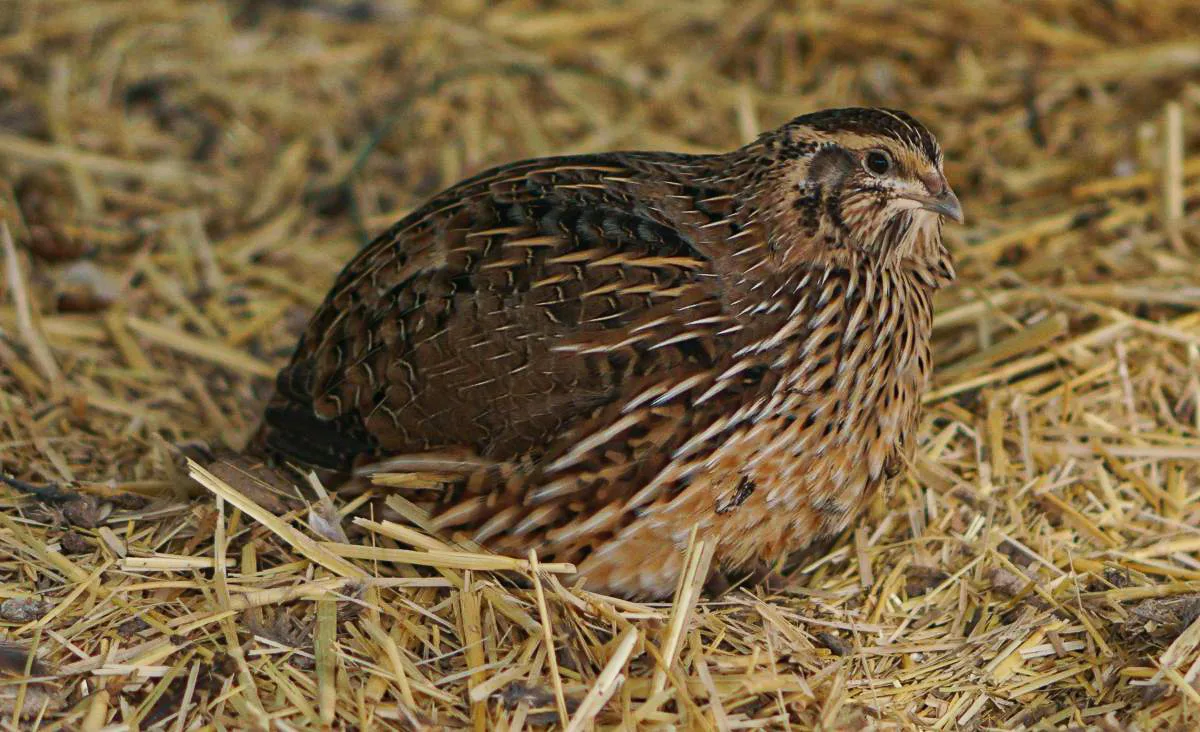
Do quail smell? No. Quail themselves don’t have a strong natural odor. What people notice as “smell” comes from droppings when ammonia builds up in the space.
In most setups, smell comes down to airflow, space, and moisture. When those are right, quail produce very little odor, even with a full covey. Where people run into problems is in enclosed or poorly ventilated areas. That’s when ammonia builds quickly and becomes noticeable, sometimes within a couple of days.
Once you understand that, it’s a lot easier to figure out if quail will work in your space and how to keep things from becoming an issue.
What’s Usually Behind the “Do Quail Smell?” Question
Very few people are worried about a mild animal scent. What they’re really asking is whether quail will create an unpleasant ammonia smell that lingers, spreads, or causes problems with neighbors or shared spaces.
That concern usually shows up when someone plans to keep quail in a confined or semi-enclosed area. Smell, in this context, is about air quality, moisture, and waste concentration rather than the birds themselves. This is one of those details that doesn’t always come up until you’re already in it. I talk more about those early surprises in what I wish I knew before buying Coturnix quail.
Do Quail Smell Outdoors?
With outdoor quail, smell is usually pretty low on the list of concerns. Fresh air disperses ammonia before it has a chance to concentrate, and sunlight helps droppings dry more quickly. In most backyard pens or open-sided enclosures, people are surprised by how little they notice any smell at all. Even with multiple birds producing daily droppings, odor stays minimal when waste isn’t trapped in a closed space.
If quail are kept fully outdoors with normal airflow, smell is usually lower than people expect and often less noticeable than chickens kept under similar conditions.
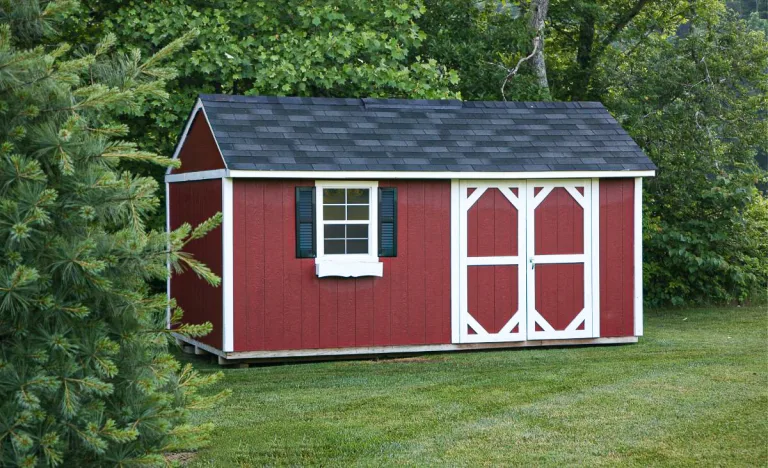
Do Quail Smell in a Garage or Shed?
Garages and sheds can go either way, depending on how they’re set up. These spaces can work very well, but they rely heavily on airflow. Unlike outdoor pens, air doesn’t naturally circulate as freely, which means ammonia can build up faster if moisture and waste aren’t allowed to dissipate. In a well-ventilated garage or shed, smell is often mild and manageable.
In a poorly ventilated space, ammonia can become noticeable within a couple of days, especially with multiple birds. This is also where space starts to matter more than people expect. Keeping birds too tightly packed is one of the fastest ways to trap moisture and odor, which is why understanding how much space quail need in pens and cages makes such a difference in smell and overall air quality.
What’s important to understand is that quail themselves aren’t the problem. The smell shows up because the space holds onto moisture and air longer.
Do Quail Smell Indoors?
Most complaints about quail smell come from indoor setups. Basements, spare rooms, and other indoor spaces trap humidity and limit air exchange. Indoors, smell can show up quickly, often within 24 to 72 hours if airflow is limited. This doesn’t mean quail cannot be kept indoors, but it does mean smell tolerance is much lower. Problems show up faster, and you’ll notice them long before the birds are in danger.
Indoor quail setups demand more attention to airflow and moisture simply because the environment is less forgiving. If you’re working with limited square footage and weighing whether quail can realistically fit into your space, I walk through real-world layouts and expectations in my guide to raising Coturnix quail in small spaces, including what works and what usually causes problems.
Do Quail Smell Worse Than Chickens?
This comparison comes up constantly, especially from people with chicken experience. Quail produce much smaller droppings, but they are more concentrated and are usually kept in tighter spaces. Chickens produce more waste overall, but their coops are often larger and better ventilated.
Most people notice less smell from outdoor quail than from chickens. Indoor quail setups, on the other hand, can develop odor faster than indoor chicken setups simply because of space and density. Smell is just one of several differences people notice when deciding between birds, and I break the rest of those trade-offs down in my comparison of quail vs chickens for small homesteads.
Quail themselves aren’t any smellier than other poultry. It’s that they’re typically kept in environments where ammonia builds more quickly if airflow is limited.
Why Smell Happens in the First Place
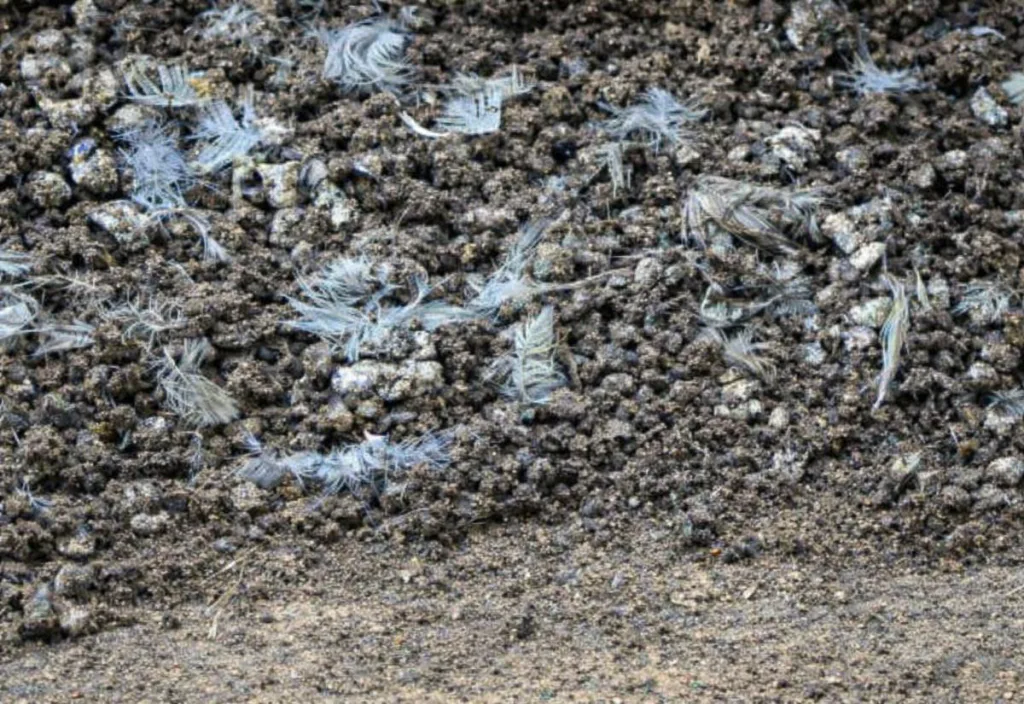
What people are smelling isn’t the birds themselves, it’s ammonia. Quail droppings contain nitrogen, and when moisture is present, bacteria convert that nitrogen into ammonia gas. You’ll usually notice this as a sharp, eye-watering smell that lingers in the air. If you can smell ammonia, conditions need adjustment. Birds are sensitive to ammonia long before it reaches levels that bother humans.
Where Smell Problems Come From
Most odor complaints trace back to environmental factors rather than the birds themselves.
Smell becomes noticeable when too many birds are kept in too little space, when airflow is limited, when droppings stay damp, or when waste accumulates in enclosed areas. Leaky waterers are a surprisingly common contributor because moisture accelerates ammonia production. When those factors are addressed, smell usually drops quickly without any drastic changes.
What to Expect Based on Your Setup
Where quail live has more influence on smell than any other single factor. If you’re still deciding on placement, I’ve shared what to consider in choosing the best location for a Coturnix quail pen, especially when odor is a concern.
| Setup Type | Smell Level |
|---|---|
| Outdoor pen or open-air cage | Very low |
| Covered but open-sided enclosure | Low |
| Well-ventilated garage or shed | Low to moderate |
| Enclosed indoor space | Moderate to high |
This is why online opinions vary so much. People aren’t disagreeing about quail. They’re describing very different environments.
Frequently Asked Questions
Once we get past the initial smell question, these are the follow-ups I hear most.
No. Quail don’t smell bad on their own. What people notice as odor comes from ammonia buildup, which depends on airflow, moisture, and how often waste is cleaned.
On its own, not much. The strong smell people notice comes from ammonia that forms when droppings stay damp or build up over time.
In most outdoor setups, no. Smell usually stays close to the pen and doesn’t carry far unless airflow is poor or waste is building up.
Usually no, especially outdoors. Quail produce less overall waste, but because they are often kept in smaller spaces, smell can build faster if airflow is limited. In a well-ventilated setup, quail are often less noticeable than chickens.
Smell can show up within 24 to 72 hours if airflow is limited or moisture builds up. Indoor setups are less forgiving, so small issues show up quickly.
They can be. When ventilation is reduced to hold heat, moisture and ammonia build up faster. That’s when smell becomes noticeable.
Usually no. Smell is almost always a sign that the environment needs adjustment rather than a problem with the birds.

For most people, smell ends up being a non-issue. Quail don’t carry a strong natural odor, and in outdoor or well-ventilated setups, smell is minimal. Problems usually come from mismatched expectations and space limitations rather than from the birds themselves. Daily care works much the same way. Once you understand what quail need, most people are surprised by how little time Coturnix quail take each day compared to larger poultry.
If you’re thinking through your setup honestly and planning with airflow and space in mind, you’re already on the right track.