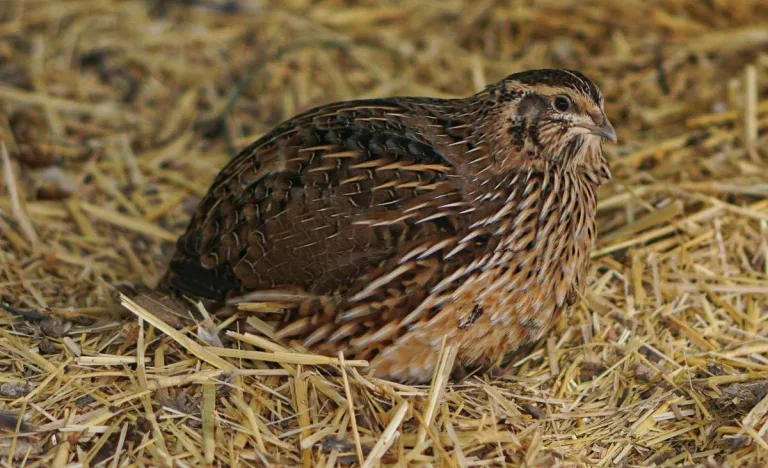
How Many Eggs Do Coturnix Quail Lay? Daily and Yearly Expectations
I started raising Coturnix quail in 2013, and I was surprised by how quickly they started laying. Compared to chickens, they reach laying age quickly and can produce close to daily during their best stretches, which is why a lot of people place them in the first place.
Over the years, I have kept small backyard coveys and much larger breeding groups in a working hatchery here in Maine, and this is still one of the questions I get the most. New quail keepers almost always want to know how many eggs they should realistically expect. Egg production is one of the easiest ways to tell if the basics are on track, especially feed, light, water, and stress. Let’s look at how many eggs Coturnix quail usually lay, when they start, and what changes production.
What You Can Realistically Expect
Coturnix quail are productive layers, but it is better to think in patterns than to expect every hen to lay like clockwork. In a healthy laying covey, most hens will lay about 5 to 7 eggs per week. Around 250 to 300 eggs in a year is a fair estimate for many hens. Age, season, stress, and lighting all move that total up or down. Most hens lay best in their first year.
If you are trying to figure out what your birds will produce for your kitchen or for sales, weekly estimates are more useful than daily ones.
If space is tight but you still want eggs, Coturnix are a good fit for a lot of people. They mature quickly, start laying young, and can give you useful production from a much smaller space than chickens. If you are still waiting on first eggs, this is a good place to read more about when Coturnix quail usually start laying.
Egg size matters too. Quail eggs are small enough that even a good week’s production can disappear quickly once you start cooking with them. In most recipes, I use about 3 quail eggs for every 1 chicken egg. Take a look at how big quail eggs are and why the size can vary.
When They Start Laying + What Their Schedule Looks Like
After that, most people want to know when laying starts and when eggs usually show up.
When Coturnix Start Laying
Most Coturnix quail begin laying around 6 to 8 weeks of age. That early maturity is one of the biggest differences between quail and chickens. Chickens take much longer to reach point of lay, while Coturnix go from brooder stage to laying in a surprisingly short time.
Not every hen starts on the same schedule. In practice, it usually starts with one or two hens, then the others follow over the next several days. You may get a few eggs, then a pause, then a more regular pattern as the covey settles in. If your birds are in that in-between stage, read signs your Coturnix quail are getting close to laying for a clearer idea of what to watch for.
What Time of Day They Lay
Most Coturnix quail lay in the later part of the day, often from afternoon into early evening. That can surprise people who are used to chickens. With quail, it is common to check in the morning and find very little, then collect most of the day’s eggs later on.
You will also see some variation based on your lighting schedule, the season, and how stable their routine is. If your birds are getting inconsistent light or dealing with stress, their laying pattern can drift. This is one reason I prefer predictable routines in the hatchery. Coturnix tend to do best when feed, water, and light stay steady from day to day.

What Affects How Many Eggs Coturnix Quail Lay
Coturnix quail can lay very well, but they do not produce at their best under every condition. If you want steady output, you need to look at the day-to-day care that supports laying.
Feed + Protein Matter
For laying Coturnix quail, I recommend feed in the 17 to 20 percent protein range. If laying birds are on the wrong feed, or not getting steady access to it, you will usually see it in production pretty quickly. Thin shells, inconsistent laying, and a drop in output can all point back to feed.
Water matters just as much as feed. If a waterer runs dry, freezes, or gets fouled, laying can drop quickly because these birds are too small to handle much interruption.
If you want to go deeper into feeding, including common mistakes that can affect production, read what to feed laying Coturnix quail.
Light, Space + Stress Affect Laying
Light is one of the biggest factors behind year-round production. Coturnix quail usually need about 14 to 16 hours of light per day to maintain a strong laying pattern. As natural day length drops, egg production often drops with it. If you want steadier winter production, you usually need to extend day length with artificial light rather than relying on natural daylight alone. I use a simple timer for quail lighting so the schedule stays consistent without me having to think about it every day. For a fuller breakdown, see how to keep Coturnix quail laying eggs year-round.
Space matters too. In pen setups, I recommend about 2 to 3 birds per square foot. Once you start crowding beyond that, you are more likely to see competition at feeders, stress, bullying, and a drop in laying. Coturnix are productive birds, but they are still sensitive to environmental pressure. A covey that feels crowded or unsettled will often tell you through lower egg output before anything else.
Why Egg Production Drops
This is the point where many new keepers start wondering what went wrong. Their quail were laying well, then production dipped, and they are left guessing. Most of the time, there is a reason for it, like shorter day length, a feed change, crowding, predator stress, or a seasonal slowdown.
A temporary drop can happen after a move, a feed change, predator pressure, heat stress, cold stress, molting, illness, or sudden disruption to the covey. Age matters too. Coturnix quail often lay strongest in their first year, then production gradually declines. That does not mean older hens stop laying overnight. It means the pace usually is not as strong as it was during peak production.
If your birds seem healthy but output is not where it should be, check the basics first, then spend a few minutes watching the covey. Bullying around feeders, restless pacing, or birds acting on edge can tell you a lot about why production slipped. If you need a more complete troubleshooting guide, read common reasons quail stop laying well.
Once you are collecting regularly, the next issue is how to store them. If you are collecting more than you use in a day or two, it helps to know how long quail eggs last and how to store them safely.
If you want to track production from the start, the Resource Library includes a Weekly Egg Tracker.
Frequently Asked Questions
These are some of the questions I hear most from new quail keepers.
Many do lay close to daily during peak production, but not every hen will lay every single day. A realistic expectation for most healthy laying hens is about 5 to 7 eggs per week.
It is not normal production, and in all my years raising quail I have never seen it happen in my hatchery.
No. Hens will lay without a male present. You only need a male if you want fertile eggs for hatching.
They can, but most coveys slow down when natural daylight drops unless you extend day length with artificial light.
Most lay in the afternoon or evening. That is normal for Coturnix and one reason people prefer to collect eggs later in the day.
A good working ratio is 3 Coturnix quail eggs for 1 chicken egg in most recipes. That makes it easier to plan how many eggs you need for cooking and baking.

Coturnix quail can lay very well, but good production does not happen by accident. It comes from feed, light, water, and a low-stress setup. If your hens are laying around 5 to 7 eggs per week, started around 6 to 8 weeks of age, and slow down when light, feed, or conditions change, that is normal. Once you understand that rhythm, it becomes much easier to manage your covey and spot problems early.
For most people, the goal is not to chase perfect production every single day. It is to build a setup that supports steady laying over time. When you know what normal looks like, it is a lot easier to tell whether something is wrong or your birds are just having a normal slowdown.