How to Keep Mice + Rats Out of Quail Pens
If you’ve ever walked into the quail shed and caught a little blur of fur darting behind a feeder, you already know how quickly mice and rats can become a problem. They’re persistent, they’re messy, and once they figure out food is easy to get, they keep coming back. I dealt with my first rodent issue back in my early urban-homesteading days, and now I shut that down as soon as I see it.
In this post, I’m sharing what’s worked for me and what I don’t bother with anymore. I’ll show you how I secure pens, handle feed, and trap safely, plus what tips me off that something’s not right.
Why Quail Pens Attract Mice and Rats
Before you can stop them, it helps to understand why they show up. Most of the time, rodents aren’t interested in the quail themselves. They’re after what the quail come with.
- Food Is Why They Show Up: Any feed on the ground, open containers, or spills under pens will bring them in. Once they find an easy food source, they start showing up like clockwork.
- They Settle In Anywhere Quiet and Covered: Deep bedding, corners behind storage bins, stacked lumber, and old bags tucked in the shed can all become nesting spots. Outdoor pens with solid flooring or built-up debris give them cover.
- One Turns Into Several Fast: Once one figures out your pen is easy food, you’ll start seeing more of them. Catching it early saves you from a full-on rodent situation.
How to Design a Rodent-Resistant Quail Pen
When the pen isn’t easy to get into, they tend to look elsewhere.
Use 1/4-Inch Hardware Cloth (Not Chicken Wire)
Rodents can squeeze through gaps as small as 1/2 inch. For quail pens, 1/4-inch hardware cloth is the standard for a reason. It keeps them out. Wire cages, tractor bottoms, walk-in pens, and feed storage areas should all be covered with it.
Close Off Gaps Around Doors and Edges
Check for spots where panels meet, especially around door frames. If you can slide a pencil through a gap, a mouse can likely squeeze through. My go-to fixes are pretty basic:
- Trim boards screwed tight against wire
- Metal flashing along the bottom edge
- Outdoor-rated caulking for small cracks
Elevate Pens When Possible
If you’re using stacked cages or hutches, keep them at least 12 inches off the ground. They’re most comfortable moving along the ground and elevation takes away their easiest access point. For aviaries or walk-in colony pens, focus on tight wire mesh around the base.
Keep the Perimeter Clear
Grass, tarps, lumber piles, and totes pushed against the pen all create hiding spots. I keep a 12–18 inch clean zone around every pen so I can spot tunnels or droppings early. Some locations are rodent magnets. Dry ground, good visibility around the pen, and no clutter piled nearby will save you a lot of grief.
If you’re still planning your setup, here’s a lot more detail you can build from.
Most Rodent Problems Come Down to Feed
If you fix nothing else, fix your feed system. Most rodent issues start right here.
Choosing Feeders That Don’t Invite Rodents
The best feeders limit spillage and keep rodents from climbing inside. These are the options I’ve had the best luck with:
- Trough-style feeders with wire guards to prevent scratching out feed
- Elevated feeders mounted just high enough that quail can reach comfortably but rodents struggle to access
- Nipple-style waterers instead of open dishes
I mount most feeders at chest height on adult quail. High enough that they’re not flinging feed everywhere, but still comfortable for them to eat. If you’re already changing things up for rodent control, it’s a good time to fix the feeding habits that create constant crumbs.
Store Feed in Tight, Chew-Proof Containers
Metal trash cans with tight-fitting lids work well. So do sealed heavy-duty barrels. Plastic totes are hit-or-miss. Some are thick enough, but rats can chew through many of them. I’ve had the best luck with a galvanized metal feed can with a tight locking lid, since it’s one of the few containers rodents can’t chew through. Mine sits on a small platform to keep the bottom dry year-round.
Keep storage clean, dry, and off the ground.
Clean Up Spill Zones Daily
This doesn’t need to be a big production. Just do a quick end-of-day check:
- Brush or sweep up spilled feed
- Tap feeders to make sure nothing is spilling from underneath
- Make sure you’re not overfilling dishes or troughs
If you’re collecting eggs in the afternoon anyway, this takes seconds.
Safe Trapping Around Quail Pens
When rodents are already present, trapping is the safest and most targeted method. Poison is never worth the risk. Quail are too small and too curious to risk it.
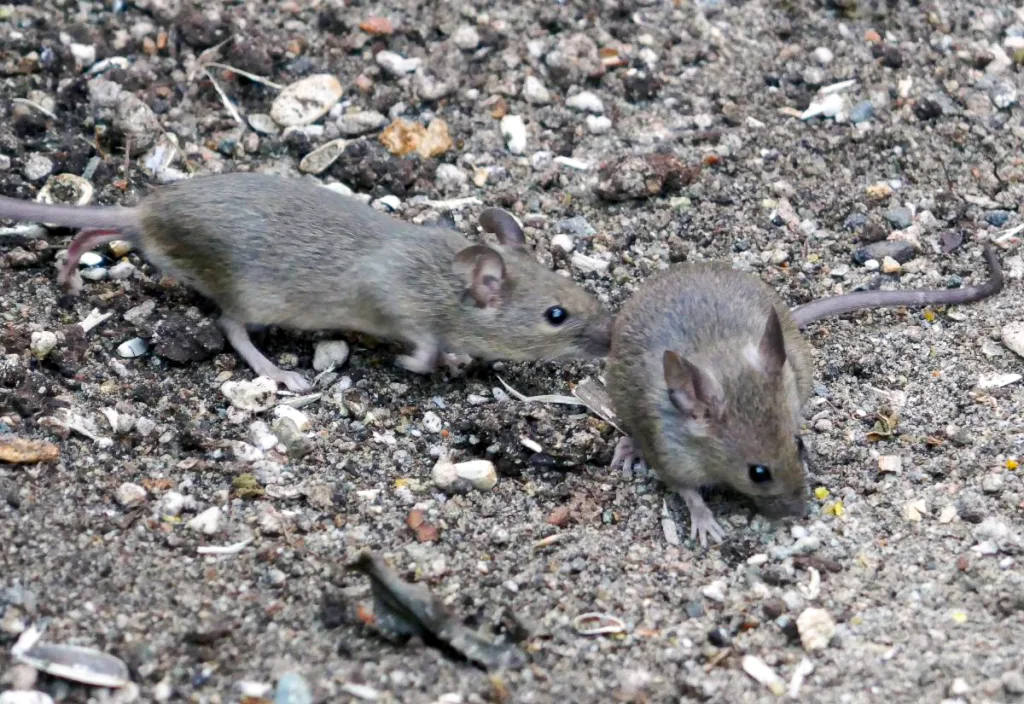
Snap Traps Are Effective When Placed Correctly: Stick with simple wooden or plastic snap traps. They’re fast and reliable. Set them:
- Along walls where rodents naturally travel
- Inside a trap box so quail can’t reach it
- Outside the pen, never inside where birds roam
A basic bait like peanut butter works well. Replace baits every few days until activity stops.
Enclosed Bait Stations (Without Poison): You can buy or build tunnel-style stations that allow traps inside but block anything larger than a mouse or rat from entering. They work well as part of ongoing control. If building a trap tunnel isn’t on your weekend project list, a ready-made enclosed trap station does the job and keeps the traps protected from weather and curious birds.
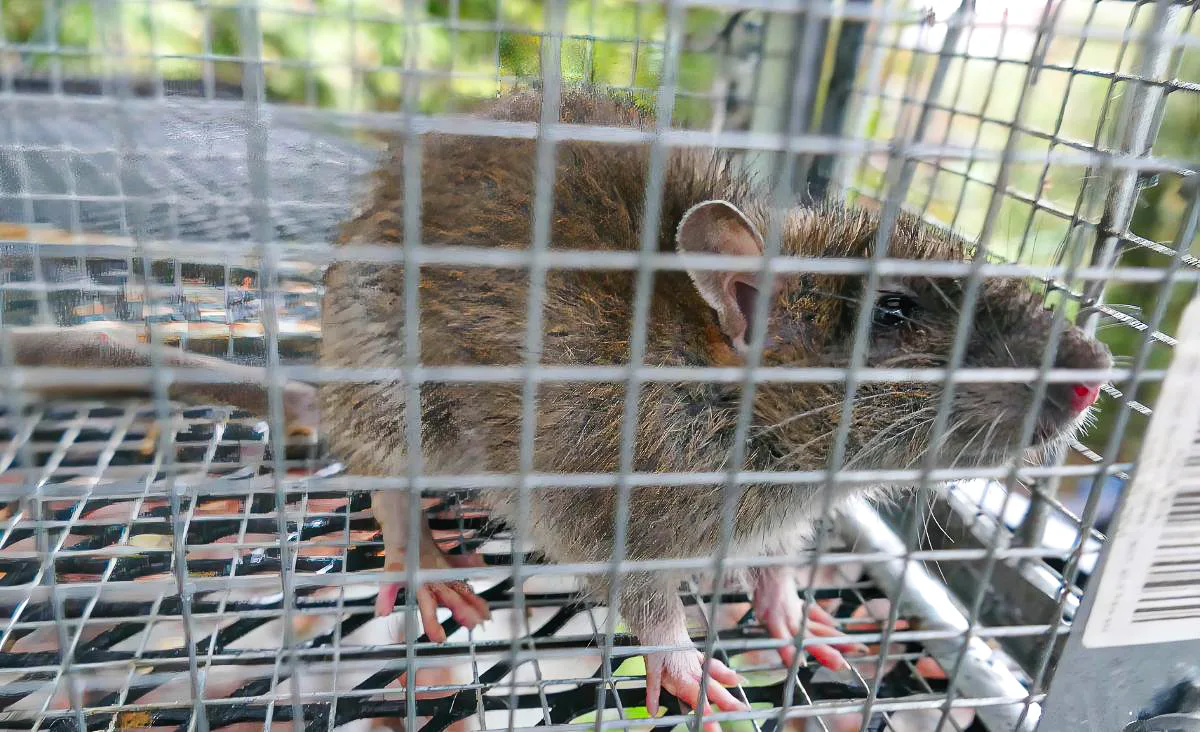
Live Traps Work, But Only If You Check Them Often: Some people prefer live traps. Just make sure you check them twice a day, especially in hot or freezing weather. If you release them nearby, don’t be surprised when they’re back in a day or two.
What to Check if Rodents Keep Returning
When traps don’t seem to solve it, I start looking closer at the setup.
Check for Underground Entry Points: If you keep quail on the ground in a walk-in pen or aviary, look for:
- Freshly dug holes
- Soft soil along the base
- Tunnels radiating outward
Pack tunnels tightly with rocks and soil, then lay hardware cloth or pavers along the perimeter.
Review Your Nighttime Setup: If you’re going to see activity, it’s usually after the lights are out. Make sure:
- All feed is contained
- No open bags or scoops are left out
- Pens are closed and latched
- Excess treats or scraps are removed before dusk
Frequently Asked Questions
Here are the questions people always ask me about rodents when they start keeping quail.
They can. Mice usually cause stress and spread disease, but rats are predators and can injure or kill quail if given the chance. That’s exactly why I’m picky about wire and feed setup. Rodent pressure also raises the odds of external parasites, so it helps to review the basic steps that help keep parasites under control if activity around the pens increases.
Look for droppings, tunneling, chewed corners, disturbed bedding, or feed disappearing faster than usual. Sometimes you’ll hear activity at night.
A barn cat may reduce activity around the perimeter, but it shouldn’t be your main control method. Rodent-proofing the pen is always the priority.
No. Quail can ingest poisoned rodents or get into bait accidentally. I never recommend poison around any poultry setup.
If you secure feed, remove shelter points, and run traps, most mild issues clear up within 1–2 weeks. Heavy infestations can take a month of consistent effort.
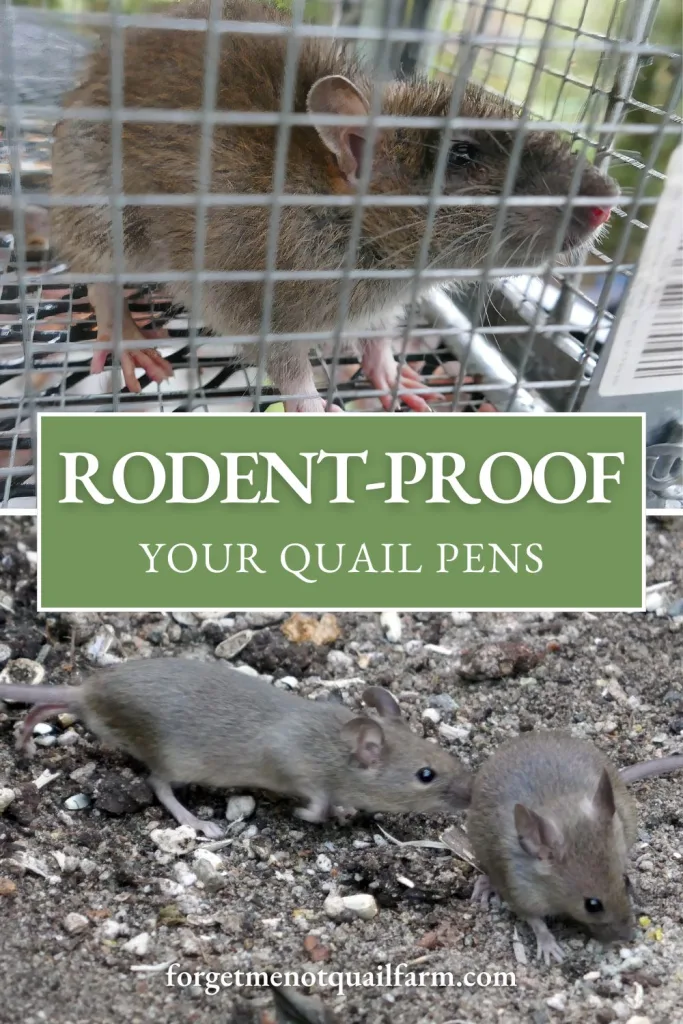
Once you understand why rodents show up, it’s much easier to stay ahead of them. If you keep the wire tight, keep feed from becoming bait, and stay consistent, rodents usually move along.
You’ve got this.