How Loud are Coturnix Quail, Really?
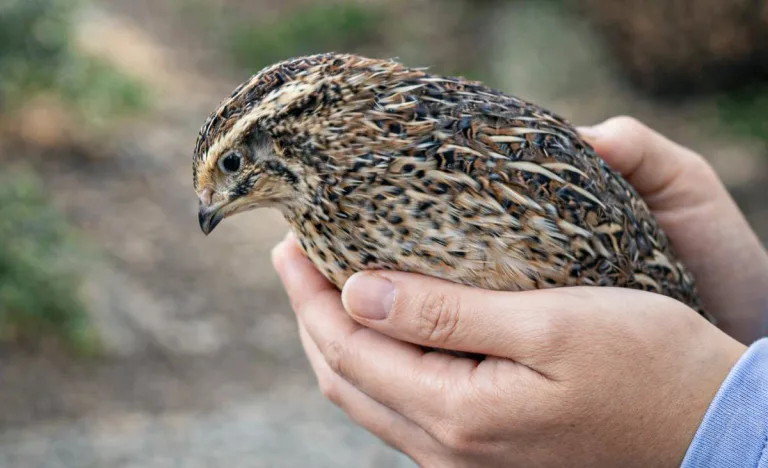
If you’re thinking about raising Coturnix quail and you have neighbors, you’re probably wondering one thing first: are they loud? The honest answer is that Coturnix quail are usually quiet, but they’re not silent. Most of the everyday sound is soft movement, water nipple tapping, little contact calls, and low cooing. The sound people notice is the cock crow.
A few hens kept for eggs are a whole different thing than several breeding groups with mature cocks calling back and forth. Before you bring quail home, it helps to know which sounds are normal and which ones might get old fast.
Are Coturnix Quail Loud?
Coturnix quail are usually not loud in the way chicken roosters are loud. A single cock crow during the day usually is not a big deal. A cock crow here and there is manageable. A cock crowing over and over near a neighbor’s house is a different story.
If you only keep hens for eating eggs, noise is usually minimal. Coturnix hens make soft chirps, trills, and contact calls. They may get louder if they’re startled, separated, stressed, or if something is wrong in the pen, but they’re not usually the bird causing neighbor concerns.
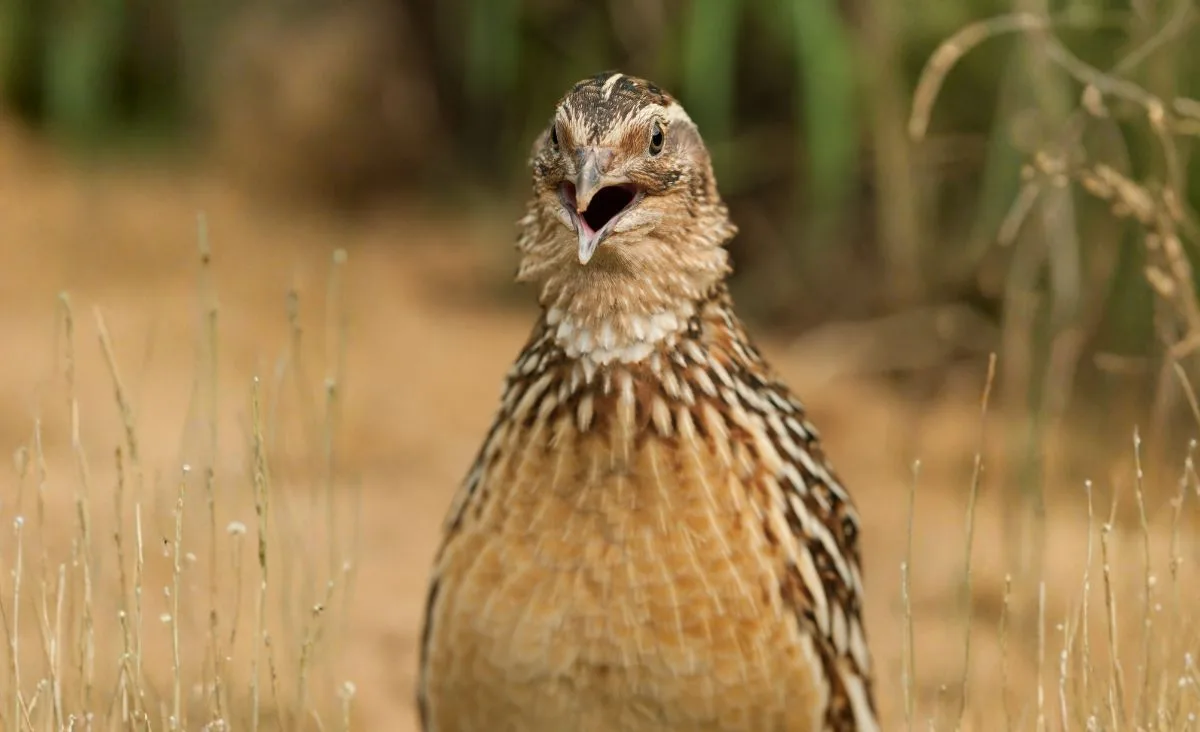
Cocks are different. A Coturnix cock crow is short, raspy, and much smaller than a chicken rooster’s crow, but it’s still noticeable. Some cocks crow here and there. Some cocks are just more vocal, especially once they realize they have a voice. The biggest issue is rarely one crow. It’s repetition, timing, and location. One cock crowing once in the middle of the day is not the same as several cocks crowing back and forth early in the morning beside a neighbor’s bedroom window. So I don’t really answer this with a simple yes or no. Hens are quiet, chicks peep, and cocks are the ones you plan around.
If you’re still planning your setup, this is where housing choice matters. Quail kept in a shed, garage, barn, or sheltered hutch will sound different to nearby people than quail kept in an open wire pen right near the property line. If you’re thinking about moving the setup inside a building, read about keeping Coturnix quail in a garage or shed before you decide.
What Coturnix Quail Sound Like
Listen to the video with the neighbor question in mind. The adult background sound is pretty mild, the chicks are more constant, and the cock crow is what stands out.
Most everyday quail noise is not very loud. It’s feet moving, beaks tapping water nipples, soft cooing, and the occasional little call.
Normal Adult Quail Sounds
Most adult Coturnix quail background noise is not vocal. A lot of what you hear is movement. Feet on wire or bedding, beaks tapping at water nipples, and birds shifting around. The soft cooing and contact calls usually are not what bother neighbors. If you’re standing next to the pen, you hear them. If the pen is not right against a property line or window, those softer sounds usually fade into normal backyard noise. The closer the birds are to people, the more noticeable every little tap, scrape, and call becomes.
Where you put the pen matters. Open-air pens let noise travel more. A solid wall, shed, garage, barn, or dense line of trees can soften it. A pen tucked close to your own house may be fine for you, but if that same pen is beside your neighbor’s open bedroom window, it can be a problem.
Baby Quail Peeping
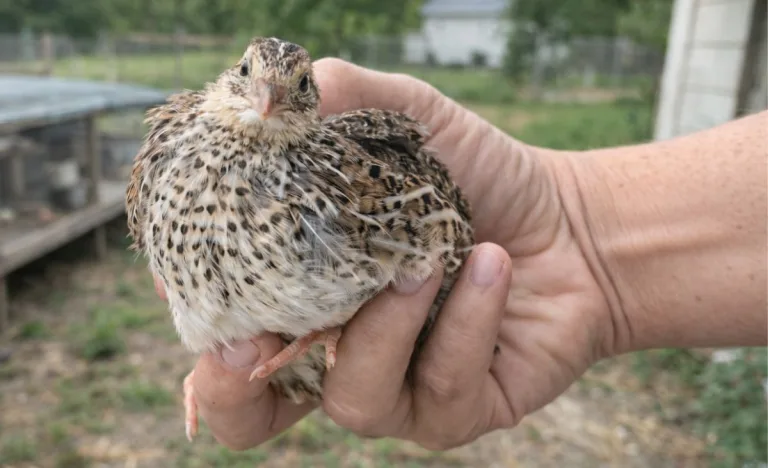
Baby Coturnix quail peep. That’s normal. In the brooder, steady peeping is usually just background chick noise. Loud, frantic, constant peeping is different. That often means they’re too cold, too hot, out of water, separated from the group, stuck somewhere, or uncomfortable.
Chicks are not usually a neighbor-noise problem unless you’re brooding them somewhere sound carries into shared living space. They can, however, be a house noise problem. If you brood chicks in a spare room, basement, or mudroom, you will hear them. When they’re comfortable, it’s usually manageable. When something is wrong, they will let you know with constant loud peeping.
Coturnix Cock Crowing
If a neighbor notices your quail, this is probably the sound they noticed. A Coturnix cock crow is not as loud as a chicken rooster, but it’s sharper and more noticeable than the soft sounds hens make. The sound varies by bird, but it’s usually short, raspy, and easy to pick out from the rest of the covey noise. Young cocks may start trying out their voices somewhere around 4 to 8 weeks as they mature.
Some cocks are fairly quiet. Some crow when lights come on, when another cock answers, when they are separated from hens, or when the pen is stirred up. If you keep multiple breeding groups, one cock may set off another, and then suddenly everyone has something to say.
How to Keep Quail Noise Neighbor-Friendly
Once a neighbor is already annoyed, every crow sounds louder. Plan the setup before that happens.
Start by asking whether you need a cock at all. If you’re raising quail for eating eggs, hens are the quietest option. You can keep a small covey of hens and avoid the cock crow entirely. If you want fertile eggs, you need at least one cock. You do not need several unless you are running multiple breeding groups or keeping backup breeders.
For breeding groups, ratio matters. Too many cocks can lead to more crowing, chasing, fighting, overbreeding, feather loss, and general stress in the covey. One cock to four or five hens is a good beginner starting point. You can adjust later if the group needs it. If you’re working through breeding groups, this is a good place to read more about choosing the right male-to-female ratio for Coturnix quail.
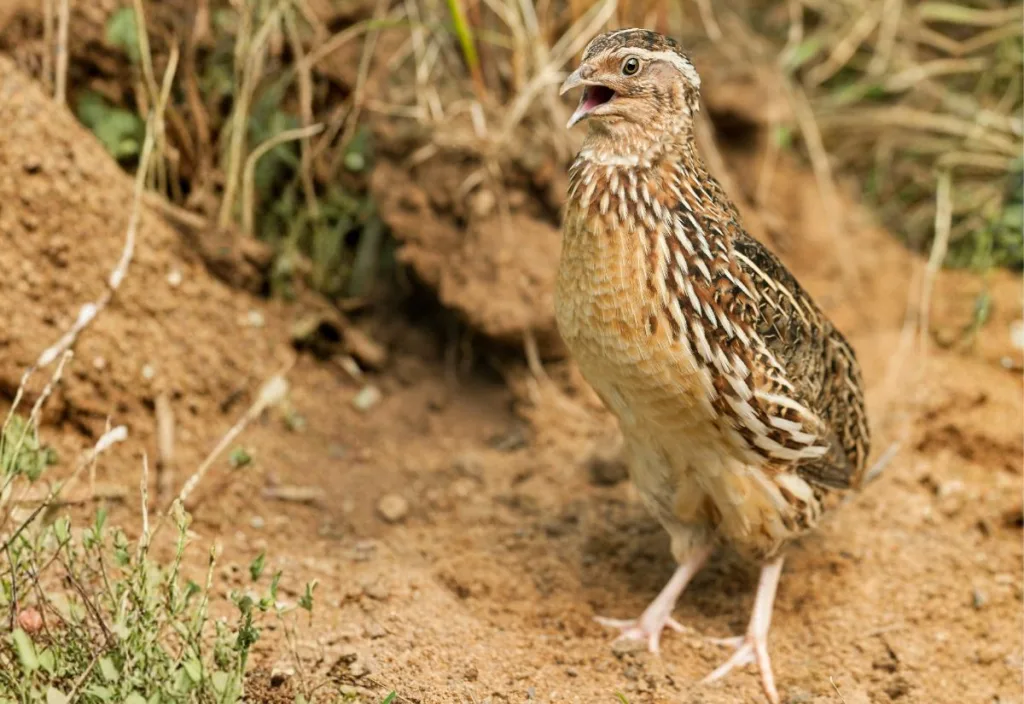
Where you put the birds matters just as much as how many you keep. I wouldn’t put a bachelor pen right beside a property line if I had another option. I also wouldn’t place them under a neighbor-facing window or close to outdoor spaces where people sit early in the morning or at night. Even if the birds are not technically loud, a repeated crow gets annoying faster when it’s close.
Light can also trigger crowing. If your quail are near porch lights, motion lights, garage lights, or indoor lights that flip on during the night, cocks may respond. Some cocks ignore light. Others start crowing as soon as the pen brightens. If the crowing starts at odd hours, check the lights first.
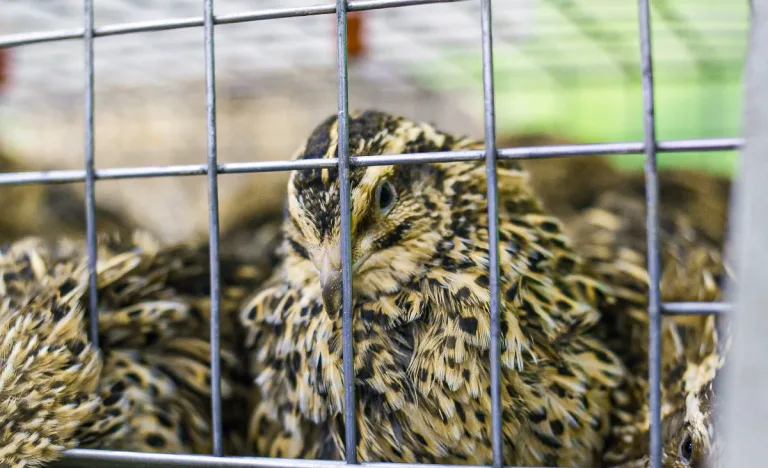
Stress adds noise too. Overcrowded quail are more likely to flush, chase, call, and act unsettled. I use different space standards depending on the housing style. In stacked wire cages or hutches, 2-3 birds per square foot can work for space-efficient production setups. In colony-style aviaries or walk-in pens, I prefer about 1-1.5 square feet per bird. In tractors or pasture pens, 0.75-1 square foot per bird is a practical range for many setups.
The closer your neighbors are, the more careful I’d be about where the quail go. If your yard is tight, raising Coturnix quail in small backyard spaces will help you decide where the pen should go before birds come home.
Frequently Asked Questions
Still wondering how this plays out in real life?
Female Coturnix quail are usually quiet. They make soft chirps, trills, and contact calls, but they’re rarely the reason neighbors notice quail.
They can, especially if light is triggering them. Porch lights, garage lights, motion lights, or indoor lights near the enclosure can make some cocks crow when you’d rather they stay quiet. If nighttime crowing starts suddenly, check light, predators, rodents, drafts, water, and group stress.
Yes, they can in some setups. A mature cock crowing near a property line or close to someone’s house is the sound most likely to carry.
Most of the time, yes. Coturnix hens are quieter than chicken hens, and Coturnix cocks are much quieter than chicken roosters. That said, a repetitive cock crow can still get annoying if the pen is too close to people.
Some young cocks start crowing around 4 to 8 weeks old.
Coturnix quail can work really well in backyards and small spaces, as long as you plan for the sounds they make. And once you know what normal sounds like, you’ll catch problems faster too.
If you’re worried about neighbors, start simple. A small covey of hens is the quietest way to raise quail for eggs, and you can always decide later whether breeding groups make sense for your space. If you plan the setup around hens, cocks, light, and distance, noise is much easier to manage.