Types of Quail for Small Homesteads (And Which One Fits Your Goals)
When someone’s thinking about raising quail for the first time, one of the most common questions I hear is, “What kind should I get?” There aren’t dozens of options, but the few that homesteaders do consider vary a lot in temperament, care, and purpose. Once you get a handle on those differences, choosing a species that fits your setup gets a lot easier.
I’ve been raising quail since 2013, starting with a tiny urban setup and eventually moving to a larger homestead in Maine. Over the years, I’ve worked with people raising everything from Coturnix to Bobwhites to Button quail, and what I’ve learned is that each species comes with its own set of strengths and trade-offs. There isn’t one ‘right’ answer. It really comes down to what you want quail to do for you.
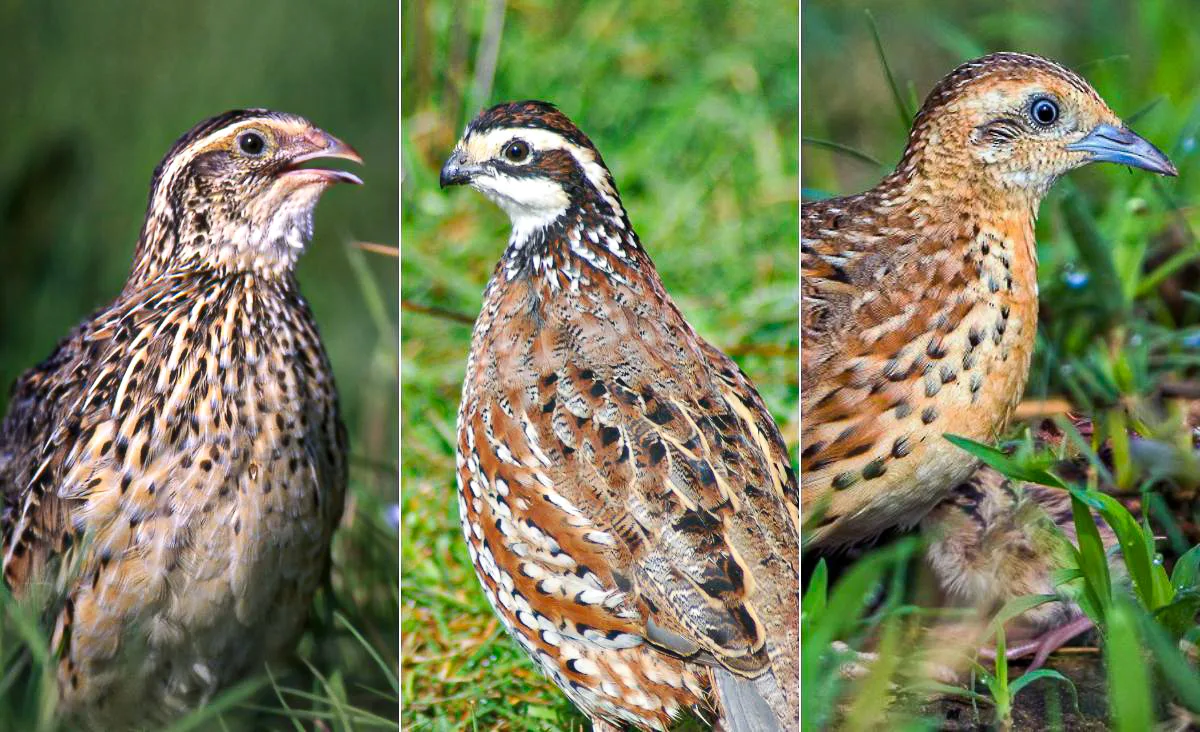
Let’s look at the three species small homesteaders ask me about the most: Coturnix, Bobwhite, and Button quail. We’ll look at how they compare in care, production, behavior, and housing, and I’ll share why I stick with Coturnix here on my homestead.
Before You Decide Which Quail to Get
Before bringing home your first covey, it helps to be clear about your priorities. Some people want eggs. Some want a small meat source. Some want a low-maintenance bird that fits a limited space. Others simply like having birds around to watch.
Quail species can be very different when it comes to things like:
- Temperament
- Noise
- Egg production
- Growth rate
- Space requirements
- Permits or legal restrictions
- Housing and handling needs
When you see those differences laid out, it gets much clearer which species makes sense for you.
Coturnix Quail
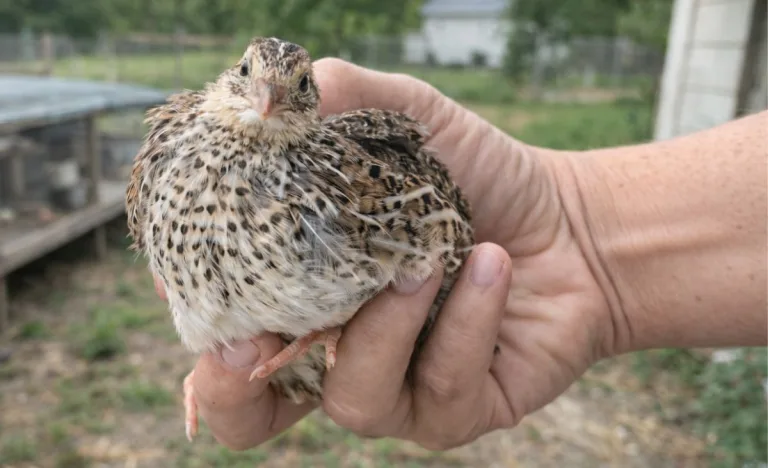
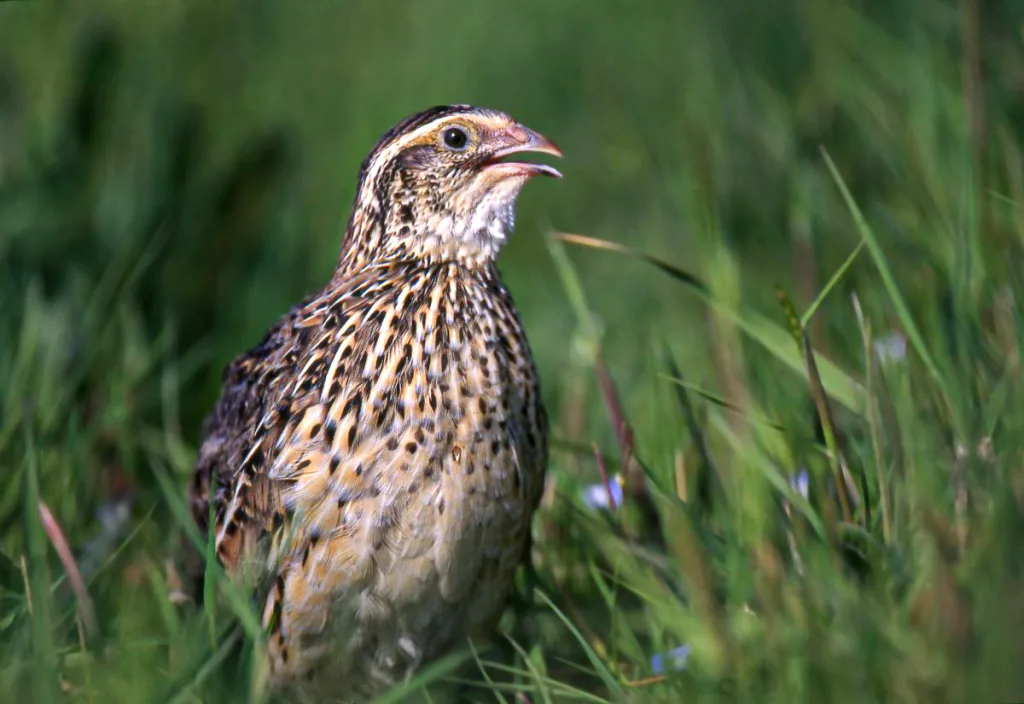
Coturnix are the most widely kept quail on small homesteads because they’re domesticated, adaptable, and easy to manage. They fit well in small spaces and are steady producers. They’re great birds, but they’re not the best fit for every keeper.
Temperament and Behavior
Coturnix are calm and typically tolerate routine care well. They do flush when startled, but not with the height or force you see in Bobwhites, which makes them easier to manage in smaller pens or hutches. They’re predictable birds, and that’s something new keepers usually appreciate.
Egg Production
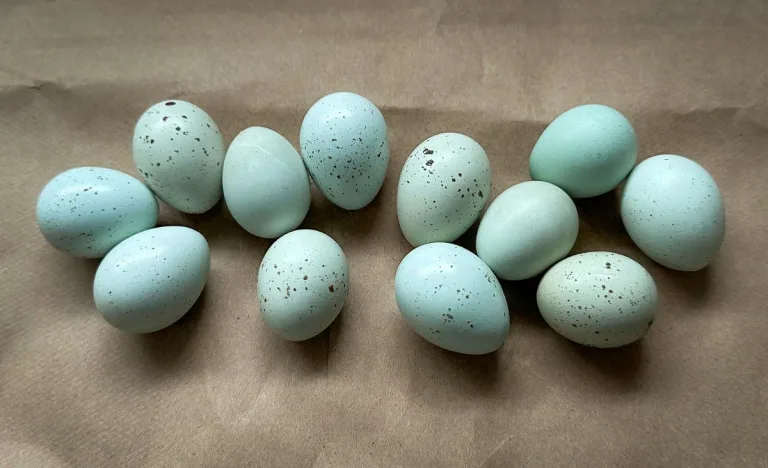
Coturnix are early layers, usually starting around 6–8 weeks old, and with the right feed and light, they can lay 250–300 eggs per year. Their eggs are small but useful for cooking, pickling, and baking.
Meat Production
They reach a good size for butchering pretty quickly, often 7–10 weeks depending on body type. Their meat is mild, and birds are easy to raise in small batches for the freezer.
Housing Needs
You can keep Coturnix a few different ways depending on your space and climate. Most people end up using one of these setups:
- Pens or hutches
- Aviaries or ground enclosures
- Indoor sheltered pens
- Mobile tractors
They don’t require tall enclosures, which makes builds more flexible. If you’re still planning your setup, you can get a clearer sense of workable dimensions by reading my guide on how much space Coturnix quail need in pens and cages, which breaks down different housing styles and the square footage that keeps birds comfortable.
Breeding and Incubation
Coturnix rarely brood their own eggs, so most people incubate. Their incubation period is 17–18 days, the shortest of the commonly kept species. With a decent incubator setup, fertility and hatch rates are usually pretty high. If you’re looking into incubation for the first time, my full Coturnix quail egg incubation guide walks you through temperature, humidity, timelines, and troubleshooting so you know exactly what to expect.
They’re a solid choice if you want dependable eggs or a simple meat project.
Next up are Bobwhites, which are a whole different ride.
Bobwhite Quail
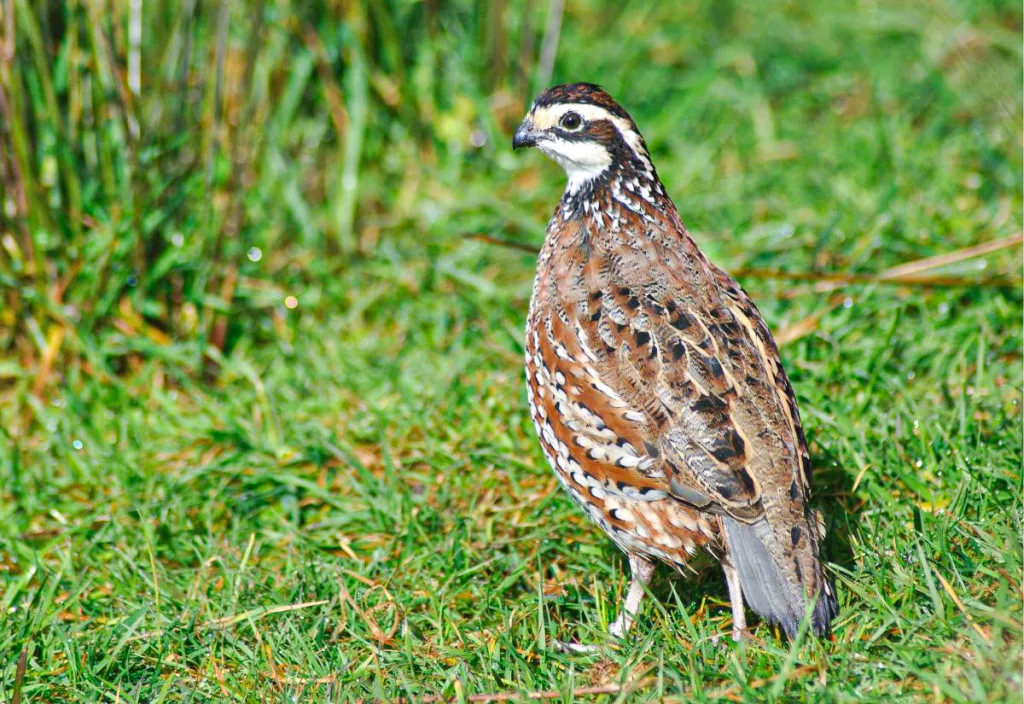
Bobwhites are native to parts of the U.S. and are valued for their beauty, call, and strong flight ability. They aren’t domesticated, and you really feel that in how you have to care for them.
Temperament and Behavior
Bobwhites are flighty and reactive. They flush upward with force when startled, and they don’t calm quickly. Handling them requires more space and a gentler, low-stress approach. That’s not automatically a bad thing. It just means their housing has to be built around how they naturally behave.
Egg Production
Bobwhites lay seasonally rather than year-round. They begin laying later (around 20 weeks or more) and produce far fewer eggs than Coturnix. Their eggs are typically kept for hatching rather than cooking.
Meat Production
The meat is flavorful, and Bobwhites have a long culinary history. However, they grow more slowly and need larger, softer enclosures to avoid injury.
Housing Needs
Because Bobwhites flush straight up, they do best in:
- Tall aviaries
- Soft ceilings (netting works well)
- Spacious runs
- Flight pens
They require more space per bird, and tight quarters can lead to injury or stress. If you’re comparing species because of space limitations, you may find it helpful to look at Raising Quail in the City, which shows how Coturnix adapt to tighter setups without the flight-related issues Bobwhites typically have.
Depending on your state, you may also need permits to keep or sell Bobwhite quail. On top of that, many states also have rules about releasing Bobwhites due to wildlife regulations.
Breeding and Incubation
Their incubation period is 23–24 days, and fertility varies. You don’t see Bobwhites go broody very often in captivity, but it’s not unheard of. Most people incubate them.
They’re a good fit for people who want a native species or need a true flight bird for conservation work or dog training.
And then there are Button quail, which are in their own category.
Button Quail
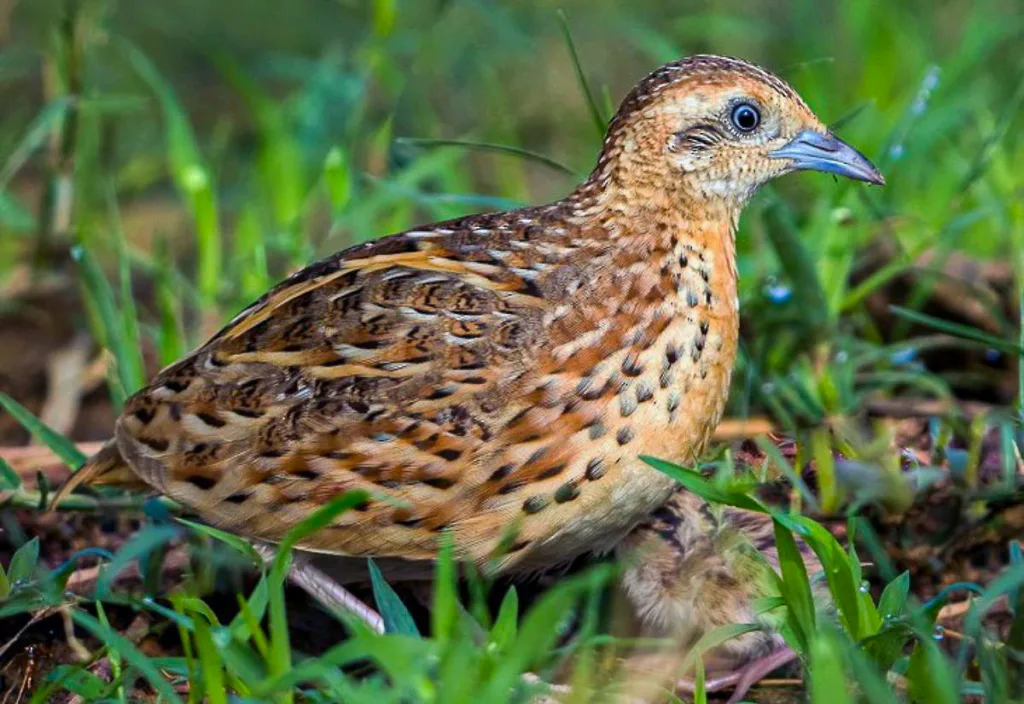
Button quail are tiny, ornamental birds often kept indoors. They’re not suited for food production, but they’re great if you like having a tiny bird to watch putter around indoors.
Temperament and Behavior
Buttons are fast and easily startled. They don’t enjoy handling and are better suited for observation than active interaction. Their behavior is similar to a very small, very alert wild bird.
Egg Production
They lay tiny eggs, smaller than a quarter, which are usually treated as novelties. They aren’t practical for cooking or preserving.
Meat Production
Button quail do not grow large enough for harvesting.
Housing Needs
They’re fun little birds, but they’re not built for outdoor life the way Coturnix and Bobwhites are. Buttons need controlled indoor environments:
- Stable temperatures
- Soft bedding
- Low enclosures with hiding areas
- No drafts
Outdoor pens aren’t recommended due to their size and vulnerability.
Breeding and Incubation
They incubate quickly (around 16 days) but managing breeding pairs takes close observation, as some individuals can become territorial. Buttons sometimes brood but inconsistently.
They’re best for someone who wants an indoor pet to watch, not a bird that has to ‘pay its way’ with eggs or meat.
Which Quail Species Is Right for You?
There isn’t one best species for everyone. It really comes down to what you want from your birds and how much space you have. Here’s a simple way to think about it:
- If you want steady eggs, quick maturity, and simple care: Coturnix
- If you want a native bird with strong flight and don’t mind specialized housing: Bobwhite
- If you want a small ornamental indoor bird: Button quail
All three can be good options. They just fit different goals.
If you’re still unsure how these differences translate into daily care, my overview of Coturnix quail for beginners breaks down feed, housing, egg collection, and common first-year questions in one place.
Why I Personally Raise Coturnix on My Homestead in Maine
I’ve stuck with Coturnix over the years because they fit the goals I have for my homestead: reliable eggs, quick turnaround for meat birds, and a calm bird that fits well in manageable enclosures. Their predictable temperament and short incubation period make them easier to work with when I’m running a hatchery season after season.
That said, I’ve worked with plenty of keepers who happily raise Bobwhites or Buttons for their own reasons, whether it’s the enjoyment of a native species, the call of the Bobwhite, or the charm of tiny indoor quail. All of those are good reasons to keep them if that’s what you’re after.
What really matters is choosing a species that really fits into your day-to-day life.
Frequently Asked Questions
Coturnix. They lay early and consistently with proper feed and lighting.
Coturnix hens are quiet. Bobwhite calls are louder and travel farther. Buttons make soft, high-pitched sounds.
Coturnix adapt well to smaller pens and require less vertical space than Bobwhites.
All three can go broody, but it’s hit-or-miss. Most people still rely on incubators.
Many states require permits for Bobwhites. Coturnix usually do not.
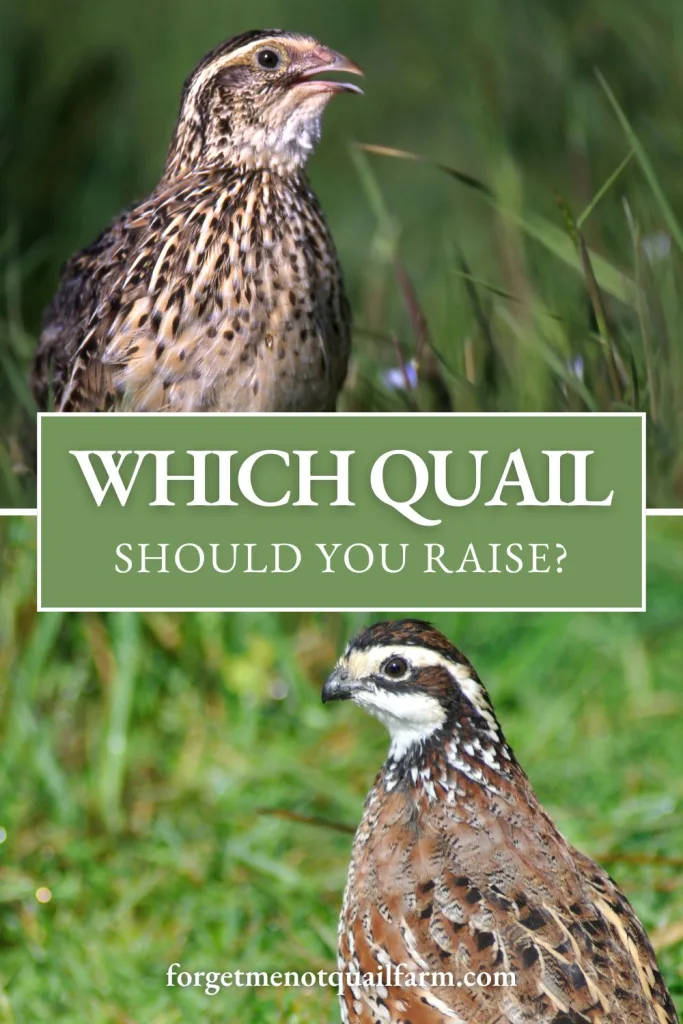
Each quail species does something a little different. Coturnix pull their weight with eggs and meat, Bobwhites bring the appeal of a native game bird, and Buttons are there mostly as tiny ornamental pets. Once you see what each type of quail is like in real life, choosing one doesn’t feel nearly as overwhelming.
Once you start narrowing down types, it helps to know what supplies they really require. I’ve got a practical checklist in the free Resource Library if you want a quick reference.
Pick the species that fits your goals, your space, and the way you prefer to care for your birds. No matter which you start with, you’ll learn as you go.
You’ve got this.