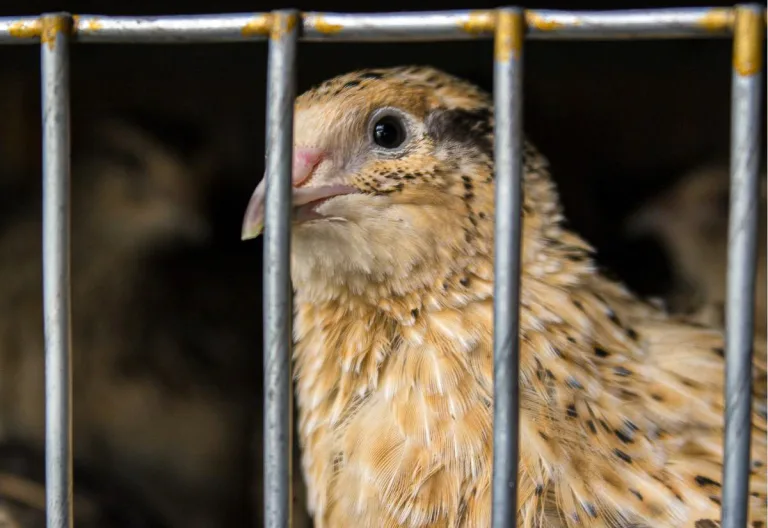
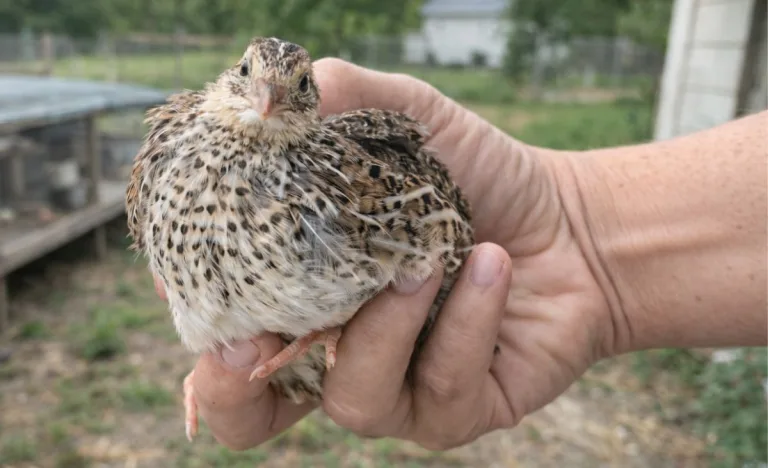
Are Coturnix Quail Easy to Raise?
Yes. I think Coturnix quail are fairly easy for most people to raise, especially if you don’t have much space. They still need daily feed and water, regular cleaning, and a setup that works well for the birds, but once you get into a routine, they really don’t have to take up much of your day.
That doesn’t mean they’re hands-off, though. The people who have the easiest time with quail are usually the ones who start with realistic expectations and are willing to adjust when something isn’t working.
I’ve raised Coturnix in backyard pens, stacked cages, indoor brooders, and larger outdoor setups. I’ve kept small starter coveys and hundreds of birds at a time, both in town and on acreage. The birds themselves aren’t especially complicated. The bigger learning curve is figuring out what works for your space and being willing to change things when the quail don’t cooperate with your plan.
If you’re still deciding whether you want them at all, I’d also read What I Wish I Knew Before Buying Coturnix Quail. There are a few things that are much easier to deal with when you know about them ahead of time.
Quail Don’t Need Much Space
One of the biggest advantages of Coturnix quail is that you can keep a useful number of birds in a fairly small area.
In cages or smaller breeding pens where I’m keeping one cock with a group of hens, I plan on about 2 to 3 birds per square foot. In a larger communal pen or aviary, I prefer closer to 1 square foot per bird. In my smaller breeding pens, I haven’t found that simply adding more floor space always makes a group easier to manage. I’ve had groups become more territorial when they had enough room to start claiming areas but not enough room to really get away from each other. I prefer to match stocking density to the type of setup instead of assuming more space is always better.
I’ve also had great luck with a communal solid-floor coop with 12 hens and 3 cocks. I enjoyed that setup because I could watch them do their normal bird thing. That isn’t a ratio I’d automatically recommend, though. Multiple cocks can become aggressive with each other, and whether a group works depends a lot on the individual birds.
Right now, I also really like keeping my breeders in groups of one cock and five hens. Those pens make it easy for me to move birds around, keep track of breeding groups, and feed and water hundreds of birds quickly.
There really isn’t one housing style everyone needs to use.
My Coturnix Quail Housing Guide goes into cages, pens, aviaries, and tractors in more detail. If you’re working with a smaller property or living in town, I also have a separate guide to keeping Coturnix quail in urban and small backyard spaces.
Whatever you choose, I care much more about whether the housing stays dry, is predator-proof, and is easy for you to maintain than whether it looks like somebody else’s setup.
Daily Care Doesn’t Have to Take Long
Once a setup is running smoothly, daily care for about 6 to 24 birds usually takes about 5 to 10 minutes. That’s enough time to check feed and water, collect eggs, and look over the birds to make sure everybody appears normal.
It usually takes longer when you’re first getting started. Over time, you figure out which feeder saves you time, where the waterer works best, how often your particular setup needs cleaning, and what order makes sense for chores.
I’ve changed setups plenty of times because something technically worked but was annoying to deal with every single day. Those little changes add up. I break the routine down more in how much time Coturnix quail actually take.
They do still need to be checked every day. Feeders clog. Waterers leak or get dirty. A bird can get hurt. In winter, water freezes. You can’t fill everything on Sunday and assume they’ll be fine until the following weekend. But quail chores don’t need to become a major part of your day either.

Sometimes a Covey Just Doesn’t Work
This is probably the biggest thing I’d tell someone who asked me whether quail are easy. Sometimes a covey just doesn’t work out.
You can put together a group that should be perfectly fine and still end up with one bird that terrorizes everybody. A cock can get overly excited with the hens. Two birds may decide they absolutely cannot stand each other.
You need to be able to adjust.
Having a way to divide an enclosure or somewhere temporary to put a troublemaker makes raising quail much easier. Sometimes a short separation is enough. Other times, a bird just needs to move to a different group.
I don’t see that as the setup failing. Quail are individuals, and not every combination of birds is going to work.
That’s one reason I like housing that gives me options. My current breeding pens make it easy to move one bird without disrupting everything else.
They’re Easy to Keep, but They Usually Aren’t Cuddly Pets
Personality is another place where expectations matter.
In my experience, Coturnix quail generally aren’t as personable as chickens or ducks. There are exceptions, and I’ve definitely had individual birds with more personality than others, but if you want a bird that follows you around the yard looking for attention, quail probably aren’t your best choice.
They’re much more fun to watch than they are to snuggle. I actually enjoy watching a communal group because you get to see more of their normal social behavior. If temperament matters to you, I go into that more in what Coturnix quail are really like around people.
They also aren’t silent. The males crow. I don’t find it anything like living with a chicken rooster, but you should expect some noise.
And yes, quail smell. A clean, dry setup with good ventilation and an appropriate number of birds can keep odor very manageable, but you’re still keeping animals that produce a lot of manure for their size. If the smell becomes overwhelming, something about the setup or cleaning routine probably needs to change.
So, Are Coturnix Quail a Good Fit for You?
If you want productive birds that don’t require much property, you can give them a few minutes of attention every day, and you’re willing to make adjustments when something isn’t working, Coturnix are pretty manageable.
They mature quickly, start laying young, and can provide eggs or meat without needing the amount of space that larger poultry often do. Personally, I also find them easier to process for meat than chickens because I need fewer tools and the whole job is less messy.
If you’re trying to decide between the two, I have a more detailed comparison of Coturnix quail and chickens for smaller properties.
I would think twice about quail if you want a very social pet bird, if checking animals every day doesn’t fit your schedule, or if you have no way to temporarily separate a bird when a group stops getting along.
Cold weather by itself wouldn’t stop me from raising them. In my experience here in Maine, healthy adult Coturnix that are acclimated to winter do well in very cold weather as long as their housing stays dry, protects them from wind and precipitation, and still has good ventilation. Young birds, sick birds, and birds suddenly moved from a warm environment into winter conditions are different situations.
Before buying birds, I’d also check your local rules. Quail aren’t necessarily regulated the same way chickens are, but ordinances vary enough that I wouldn’t assume what’s allowed based on another town.
For most people who ask me whether Coturnix quail are realistic, though, my answer is yes. You don’t need a perfect setup. You need one that works for your birds, fits your routine, and gives you enough flexibility to change things when something isn’t working.