16 of the Best Ways to Make Money With Quail
I started raising Coturnix quail in 2013 with twenty birds on a small urban lot. Since then I’ve raised them in setups ranging from backyard pens to a working hatchery with 150 to 500 birds at a time. I’ve sold hatching eggs, day-old chicks, eating eggs, and extra adults, and I’ve learned that the best way to make money with quail depends a lot on your birds, your market, and how much work you realistically want to take on.
In this post, I’m breaking down the different ways you can make money with quail, from the most straightforward options to the ones people rarely think about until they’ve been keeping quail for a while. Some are better for backyard keepers. Some make more sense for a hatchery or farmstand.
Do not make yourself crazy trying to do everything on this list. Pick a few that make sense for your setup and leave the rest alone for now.
The Easiest Quail Products to Sell
These are the ones most people think of first, and honestly, they are usually the best place to start while you figure out your market.
Eating Eggs
Selling fresh quail eggs is usually the easiest place to start because your hens are already laying them and you do not need a bunch of extra equipment to sell them. They are simpler than chicks, and once the carton leaves your hands, that is usually the end of it.
If egg sales are on your mind, use my free Weekly Egg Tracker in the Resource Library. It is a simple way to see what your covey is really producing before you make plans around it.
Fertile Hatching Eggs
You can make more per egg with hatching eggs, but they also carry more risk because people tend to blame the egg when their hatch does not go well. If you sell fertile eggs, you need healthy breeder groups, clean collection habits, and a clear policy on what you do and do not guarantee.
If you sell fertile eggs, your policies and your customer education matter almost as much as your birds.
Pickled Eggs + Other Prepared Foods
Pickled eggs and other prepared products are a way to get more value from the eggs your hens are already laying. Once you start making prepared egg products, you are not just selling eggs anymore. You are making food for sale, and that changes a lot. You have to think through the labor, the labeling, and the legal side too.
I would treat this as a true small business product, not just a quick side idea.
Live Bird Sales
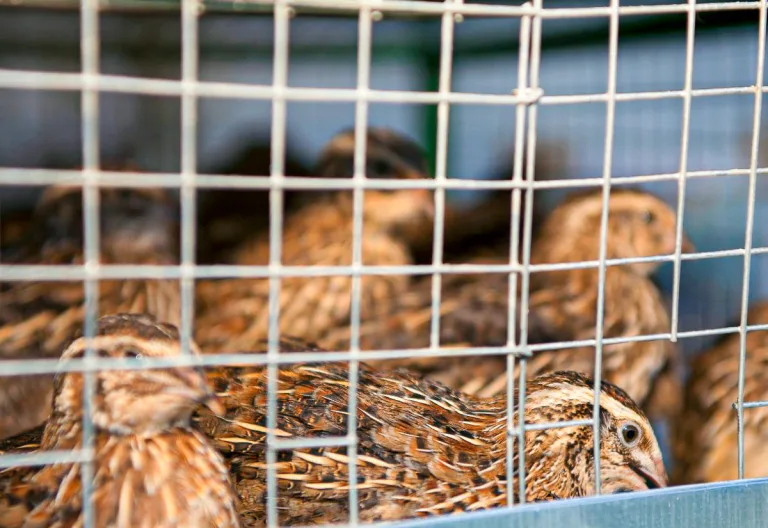
There is more than one way to sell live quail, and each one comes with its own pros and cons. Day-old chicks, pullets, adult laying hens, and extra meat males all appeal to different buyers, and each one comes with a different level of labor and value.
The longer you raise a bird, the more feed, space, and time you’ve put into it, so the price needs to reflect that. If you’re selling birds, how to price live quail for sale can help you avoid undercharging for all the work that went into them.
Processed Meat
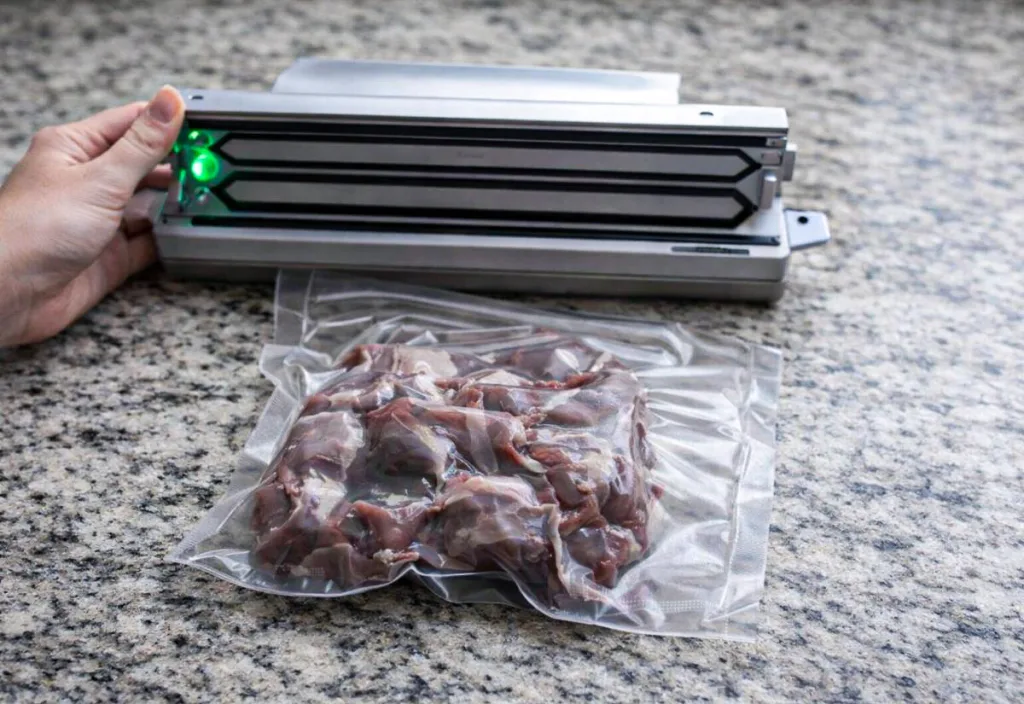
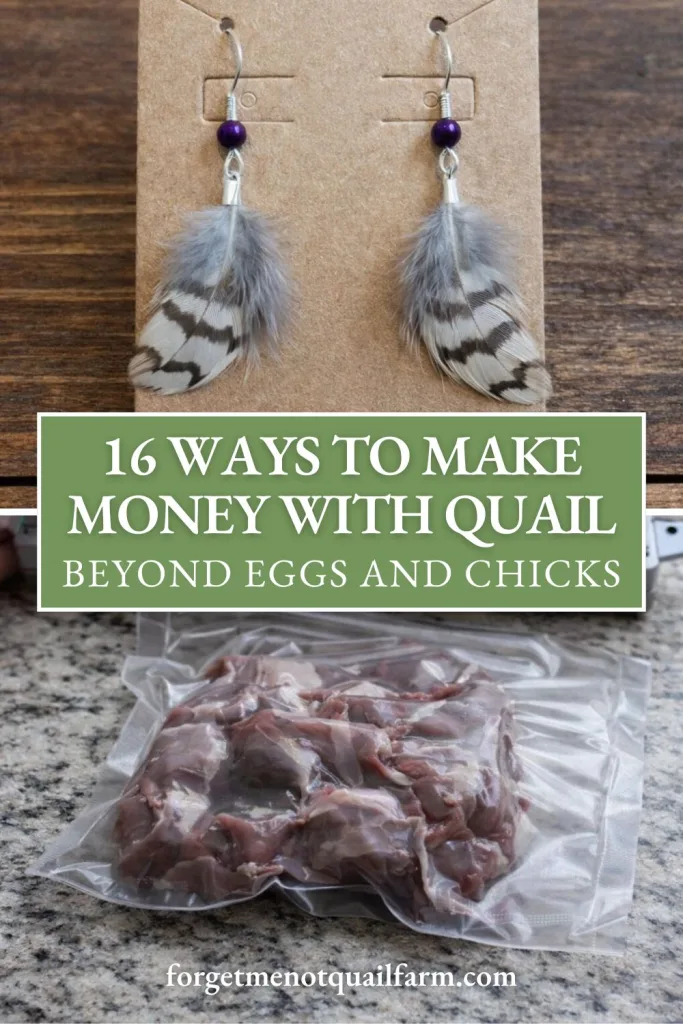
Processed quail can be a good product, but I would not get into it just because quail reach butcher size quickly. Processing takes time, cleanup, packaging, and a legal setup that works for your area. For me, this only makes sense when there is a clear customer base for table birds and I know I am not doing all that work without a buyer on the other end.
Homemade Crafts Made From Feathers + Shells
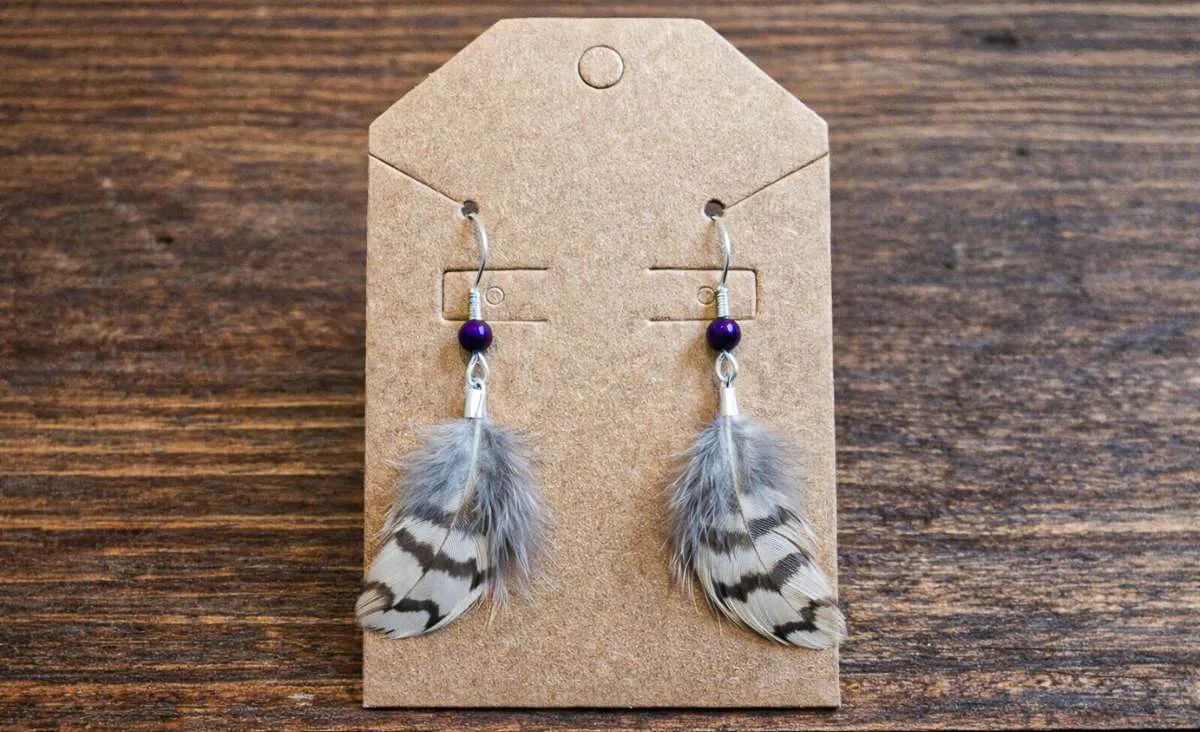
If you’re even a little crafty, quail feathers and shells can give you another material to work with. Clean feathers can be used in earrings, bookmarks, rustic ornaments, wreath accents, or other nature-inspired crafts, while shells and blown eggs work well for miniature displays, seasonal decor, and tiny painted ornaments.
This only makes more sense if you’re someone who already enjoys crafting.
Quail Products for Pet + Feed Markets
These are ideas a lot of people don’t think about, but it can make good use of birds and eggs that are harder to sell elsewhere.
Eggs for Dogs + Other Pets
At our farm, we package the smaller eggs, usually 12 grams or less, as Pupper Packs and sell them a little cheaper than our regular fresh eating eggs. It helps us move smaller eggs without treating them like lower-value leftovers. This works well for customers who want fresh whole-food add-ins for their dogs and like the convenience of a size that feels easy to use. If you want to explain why this appeals to pet owners, the benefits of quail eggs for dogs would be a natural next read.
Freeze-Dried Quail Eggs for Pet Treats/Supplements
Freeze-dried quail eggs are a very different product from fresh pet eggs, even though they start with the same raw material. The big draw here is convenience. They last longer and are easier for customers to keep on hand. This is a more specialized option and depends on whether you have the equipment and legal ability to produce them.
Giblets or Organs Sold for Pets
Organs are one of those products that can go to waste quickly if you do not have a plan for them. For pet owners who feed raw or use organ meats intentionally, they can be a useful add-on rather than a discard pile. This is one of the easier ways to get more value out of birds you are already processing.
Excess Males Sold Live for Dog Training
Live excess males can have value in dog training, especially in settings where people are working with bird dogs and want training birds in a manageable size. This is a very different market from people buying chicks for a backyard covey, so it helps to know whether that demand exists in your area before planning around it. It can be a practical outlet for extra cocks that are not needed for breeding and are not being kept for your own table.
Whole Birds for Falconry or Reptile Feed
Dispatching whole birds for falconry or reptile feed is another way to make use of birds that are not headed into your breeding groups or standard sales channels. This may include culled birds, excess birds, or birds raised with that purpose in mind, depending on your setup and the legal rules where you live.
Quail By-Products Worth Selling
These are not the products that usually carry the business, but they are still worth a look.
Quail Feathers Sold to Fly Tiers + Crafters
Quail feathers can be useful for fly tying, mixed-media art, jewelry, and other craft work depending on color, size, and condition. This probably will not bring in a lot on its own, but it can still be worth offering if someone wants it. Clean, sorted feathers are a lot more useful than a random bag of broken ones swept out of a pen.
Quail Eggshells for Crafts or Display
Eggshells are another small by-product that can be useful for craft work, display, or educational projects. This makes the most sense if you already have buyers who work in miniatures, mosaics, or small-scale art. Like feathers, this is not usually the centerpiece of a quail business, but it can still be a useful side stream.
Blown Quail Eggs for Miniature Art or Ornament Work
Blown eggs are more specialized than regular shells because they take extra handling and are being sold as a finished craft supply rather than a leftover material. They can appeal to miniature artists, ornament makers, and people doing detailed seasonal decor.
Quail Manure Composted for Garden Use
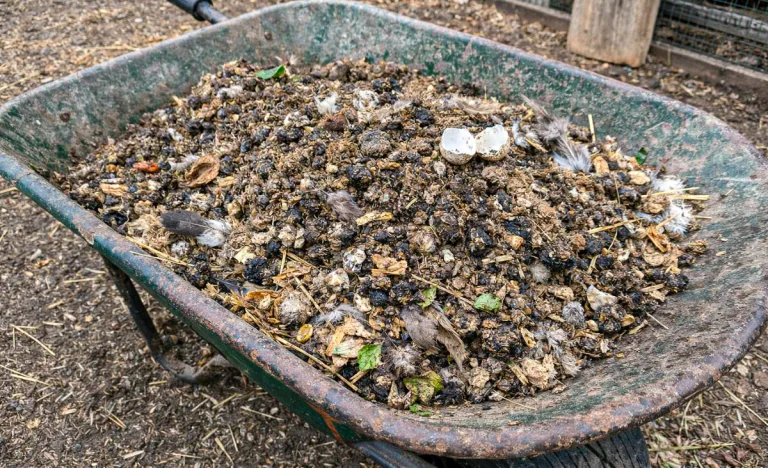
Quail manure is useful on the homestead, but it can also be useful to other gardeners. It may not be the prettiest product on the list, but it can still be worth something to the right buyer. If you decide to sell it, it makes more sense to offer it composted and bagged in manageable amounts than loose and raw. Small bags are easier for casual gardeners to buy and easier to move at a farmstand or with local pickup.
Selling Other Usable Quail Parts
This is a niche one, no question, but it can still be worth offering if you already have buyers for it. Heads, feet, and carcasses can be useful to people making broth, feeding pets, or looking for parts for reptile or falconry feed. I would not build a whole business around this alone, but it can be a smart add-on if you are already processing birds and have buyers who want more than just the prime cuts.
How to Choose the Right Income Stream(s)
A list like this can get overwhelming in a hurry if you start thinking you need to do all of it. The right choice depends a lot on the kind of setup you are running and who you are selling to. Some products are easy to move if you already sell direct to local customers. Some work better if you hatch in volume. Some only make sense if you process birds and want to use as much of each one as possible.
For a lot of people, fresh eggs, fertile hatching eggs, and a limited number of live birds will be the most realistic place to start. Once those are running smoothly, it gets easier to see whether there is room for pet products, processed birds, or smaller by-product sales. Most of the time, it works better to start with two or three things you can do well and leave the rest for later.
That is also why it helps to look hard at whether quail farming is really profitable before you make bigger plans.
Frequently Asked Questions
If you’re reading through this and still weighing your options, here are a few questions that tend to come up.
Fresh eating eggs are usually the easiest place to start. If your hens are already laying well, you can begin testing local demand without adding incubators, brooders, or processing equipment to the mix.
They can be, but they also come with more customer education and more room for complaints when someone’s hatch goes badly. Eating eggs are more straightforward. Hatching eggs can bring in more per egg, but only if you have healthy breeding groups and strong fertility.
That depends on your setup and how long you want to carry the birds before they sell. Chicks move quickly when demand is there, but pullets and adults are often easier for buyers who want to skip the brooder stage. The longer you keep them, the more they cost you, so pricing matters.
Some are, and some are only worth it if you already have a buyer lined up. Feathers, blown eggs, composted manure, and specialty bird parts are not always big revenue streams, but they can add useful value to a system that is already producing them.
Yes, but they are usually more specialized than standard egg or chick sales. Fresh eggs for dogs, freeze-dried eggs, organ meats for pets, and whole birds for feed can all work if the customer base exists and you can sell them legally. This is not a market I would build blindly without testing demand first.
Not at all. Most quail keepers will do better choosing a few products that fit their setup and doing those well.
Yes, there are a lot of ways quail can bring in money. But simple usually wins. A setup that sells eggs well and maybe adds one or two other products is often a lot easier to keep up with than one that tries to do it all. The point is not to squeeze money out of every feather and shell just because you can. In most cases, you will be better off choosing a few products you can manage well and sell consistently. That’s usually where the money and the sanity both hold up best.