What I Wish I Knew Before Getting Coturnix Quail
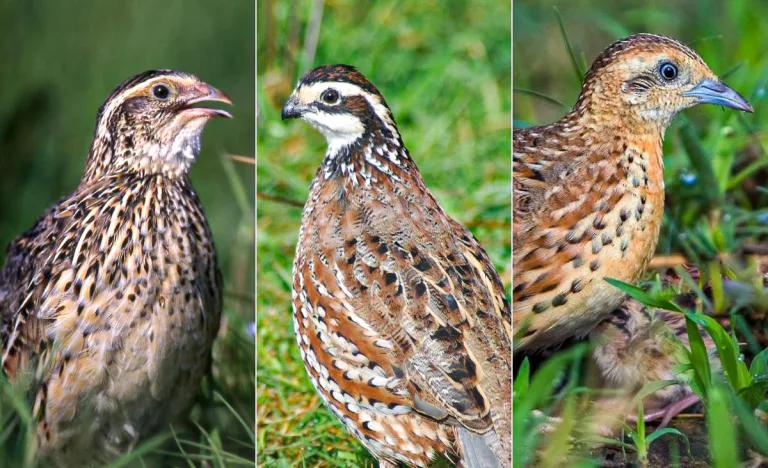
The first time I bought Coturnix quail, I was pretty sure I knew what I was getting into. I’d read a few articles, watched some videos, and figured they couldn’t be that different from chickens. They are. Not in a bad way. But it affects what you buy and how you set everything up.
Most of the frustration I see from new quail keepers doesn’t come from quail being “hard.” It comes from not knowing the handful of things that are specific to Coturnix quail. Once you know those basics, you stop second-guessing everything.
This is what I wish I’d known before I brought my first quail home. If you’re thinking about getting Coturnix quail (or you’ve already ordered them and feel a little underprepared) this will help you get the basics right before the birds show up.
Coturnix Quail Are Not Small Chickens
If you’ve raised chickens before, this is the mental reset you need to make first.
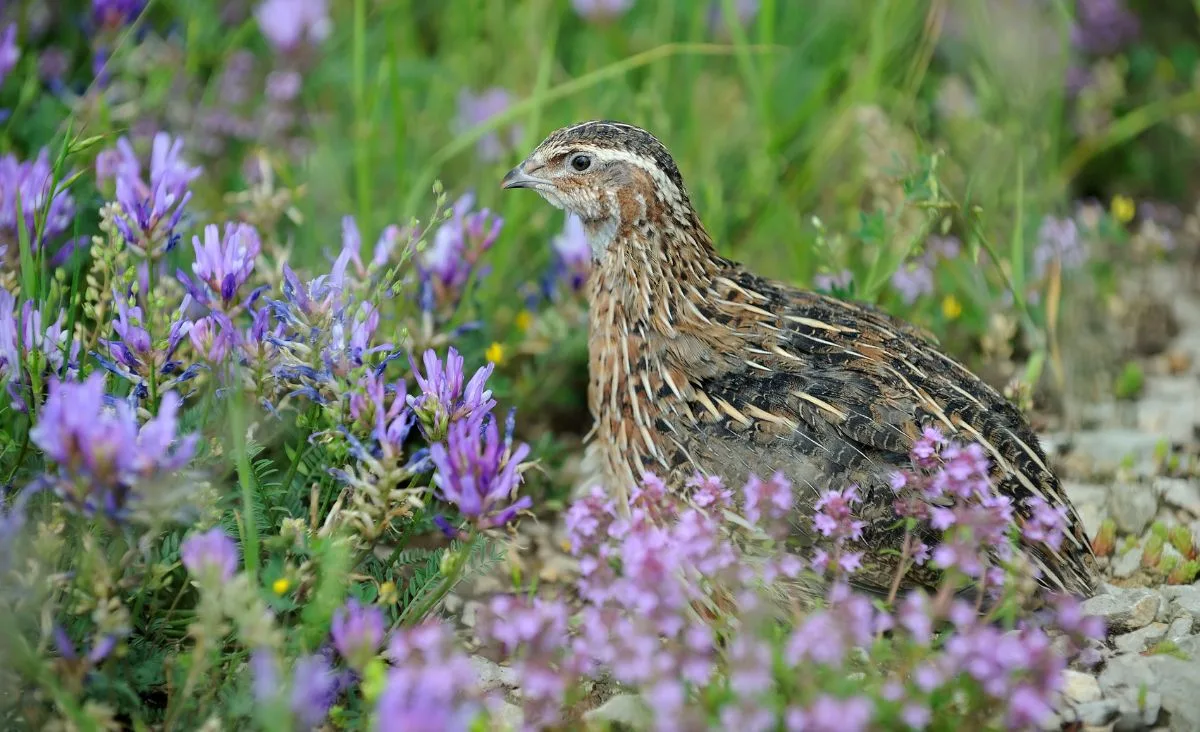
Coturnix quail are ground birds. Like… really ground birds. They don’t roost, they don’t perch, and they don’t want elevated sleeping spots. Adding roost bars or ramps usually leads to foot and leg injuries, not happier birds.
They also don’t use nest boxes. Hens lay eggs wherever they happen to be standing, which means eggs show up under feeders, along walls, and in corners so egg collecting becomes more of a ‘walk the pen’ thing. Totally normal.
Quail Housing: The Stuff That Matters
Housing is where most beginner mistakes happen, not because quail housing is complicated, but because quail don’t tolerate “close enough” very well.
Getting Their Space Right
For pen-style housing like wire cages or hutches, Coturnix quail do best at about 2–3 birds per square foot. In aviary or ground-based setups where they can move more naturally, closer to one square foot per bird works well. If you want the numbers and layouts spelled out, I’ve got a whole guide on how much space quail need in pens and cages.
Crowding causes stress and aggression, but large, open, or sparse setups can also create problems (especially with males becoming territorial). They’re happiest with just enough space, not endless room.
Why Quail Bonk Their Heads
Coturnix quail have a strong vertical jump reflex (flushing). When startled, they launch straight up, and it happens fast. In “danger-zone” height enclosures with hard ceilings, this leads to head injuries surprisingly fast.
If you’re using cages or hutches, keep the ceiling low (around 10–12 inches). Walk-in pens and aviaries should have ceiling heights of 6 feet or more. This will save a lot of bonked heads.
Flooring Choices and Cleanliness
Both options work, as long as you’re honest about the maintenance. Wire floors keep eggs cleaner and reduce daily mess but require the right gauge and foot support. Solid floors feel more natural but need bedding and more frequent cleaning.
No matter which you choose, dry conditions and good airflow matter more than the flooring itself.
Feed and Protein: Where Quail Needs Are Different
Coturnix quail grow quickly and they lay a ton for such small birds, meaning you can’t really wing it with their feed and get good results.
Chicks need high protein to develop properly, and adults still require more protein than chickens once they’re laying. I aim for 22–24% protein during the growing phase and 17–20% protein for laying birds. Anything consistently lower than that usually shows up as poor feathering or weak egg production. Buying an actual quail/game bird feed makes this way easier (though it can be hard to find). Some chicken layer feed is too low unless it’s supplemented carefully, and guessing usually causes more problems than it fixes. Other chicken feed, like Kalmbach 17% Layer Crumble, works just fine.
As for grit and calcium, quail eating commercial crumble don’t need grit, and laying hens do best with calcium offered separately rather than mixed into the feed.
If you’re staring at feed bags like ‘okay… now what?’ this breakdown of what to feed Coturnix quail and the common mistakes people make so you’re not guessing and hoping it works out.
Getting Your Male-to-Female Ratio Right
This is one of the biggest things I wish I’d understood earlier.
Coturnix quail breed aggressively, and too many males in a small space quickly leads to stressed hens and feather loss. A ratio of one cock to four or five hens keeps breeding pressure manageable and the covey calmer overall. If you’re still figuring out how many quail to start with, this is something you want to think about before hatch day, not after.
If you’re hatching your own birds, plan ahead. You’ll usually end up with close to a 50/50 split of males and females, which means extra cocks are inevitable. This is one of those things you want decided before you’re stuck with extra boys.
Behavior That Looks Concerning… but Isn’t
New quail keepers often worry about things that are completely normal once you’ve seen them a few times.
Coturnix quail sleep sprawled flat on the ground, sometimes piled together, and it’ll make your stomach drop the first time. They’re fine. Sudden bursts of frantic movement are also normal. They’re prey animals with fast reflexes. Some chasing happens, especially during breeding season. Persistent aggression, though, usually points back to crowding or too many males, not “bad birds.”
When to Expect Eggs (and What’s Normal)
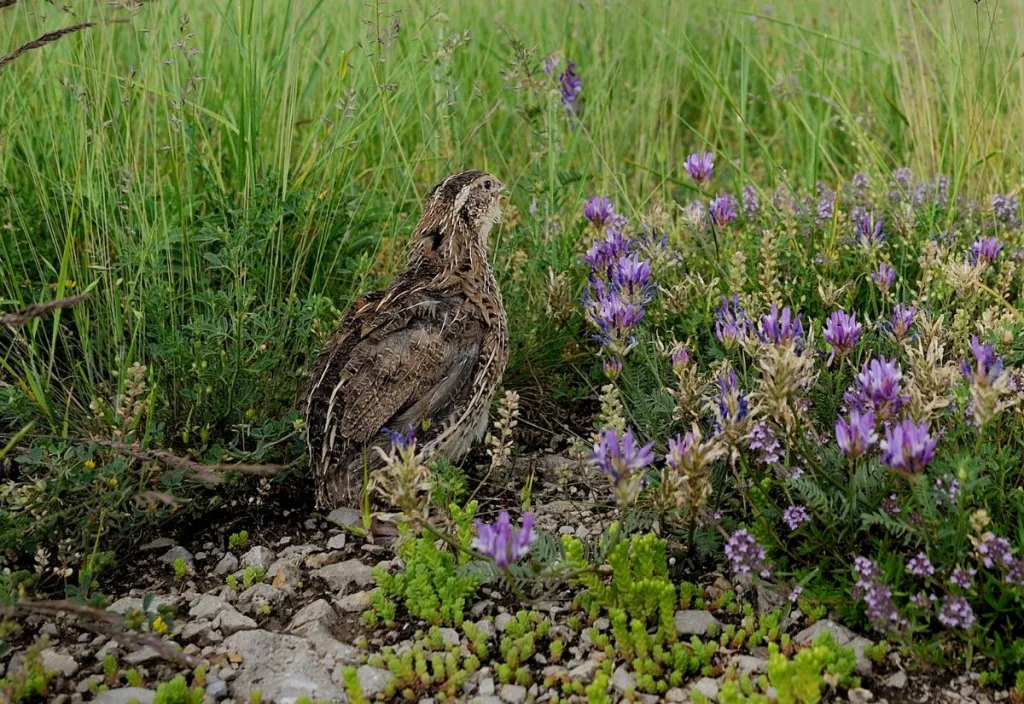
One of the best things about Coturnix quail is how quickly they start laying. Most hens begin producing eggs around six to eight weeks of age, especially when day length stays around 14–16 hours of light. If you’re checking the pen ten times a day waiting for that first egg, here’s how to tell they’re close so you’re not checking the pen like a maniac.
The eggs are small (about one-third the size of a chicken egg), but production is steady. Three quail eggs replace one chicken egg in cooking, and a healthy hen often lays five or six eggs per week once she’s settled.
Tools and Systems That Make Life Easier
After a lot of trial and error, I stick with simple systems. Feeders that prevent scratching, nipple waterers, low-dust bedding for solid floors, and lighting on a timer. It’s the difference between ‘this is fine’ and ‘why is this such a pain?’
I keep a running list of the quail stuff I really use if you want to see what’s worked for me.
Frequently Asked Questions
If you’ve still got questions, you’re not alone. These are the ones people ask me the most.
Yes, as long as you understand they’re not chickens. Their care is straightforward once their specific needs are met.
They can, provided they’re dry, protected from drafts, and have reliable winter water, like heated nipple waterers.
Only if moisture or ventilation is an issue. Clean, dry setups don’t smell much at all.
Six to ten birds is a good minimum. Very small groups tend to struggle socially.
No. Once fully feathered, cold is less of a problem than dampness and poor airflow.

This is one of those moments where a checklist helps. I put together a simple starter reference in the free Resource Library for anyone who wants to avoid learning everything the hard way.
You’ll make mistakes. We all do, but when housing, feed, and ratios are right, they’re hardy, productive, and surprisingly enjoyable to keep. If you’re feeling unsure, that usually means you’re asking the right questions. Start with a solid setup and adjust as you learn. You’ll feel more confident once you’ve had them for a week or two and realize it’s not that bad.
If you’re asking these questions now, you’re going to do just fine. You’ve got this.