Why Are My Quail Suddenly Fighting? Causes + Fixes That Work
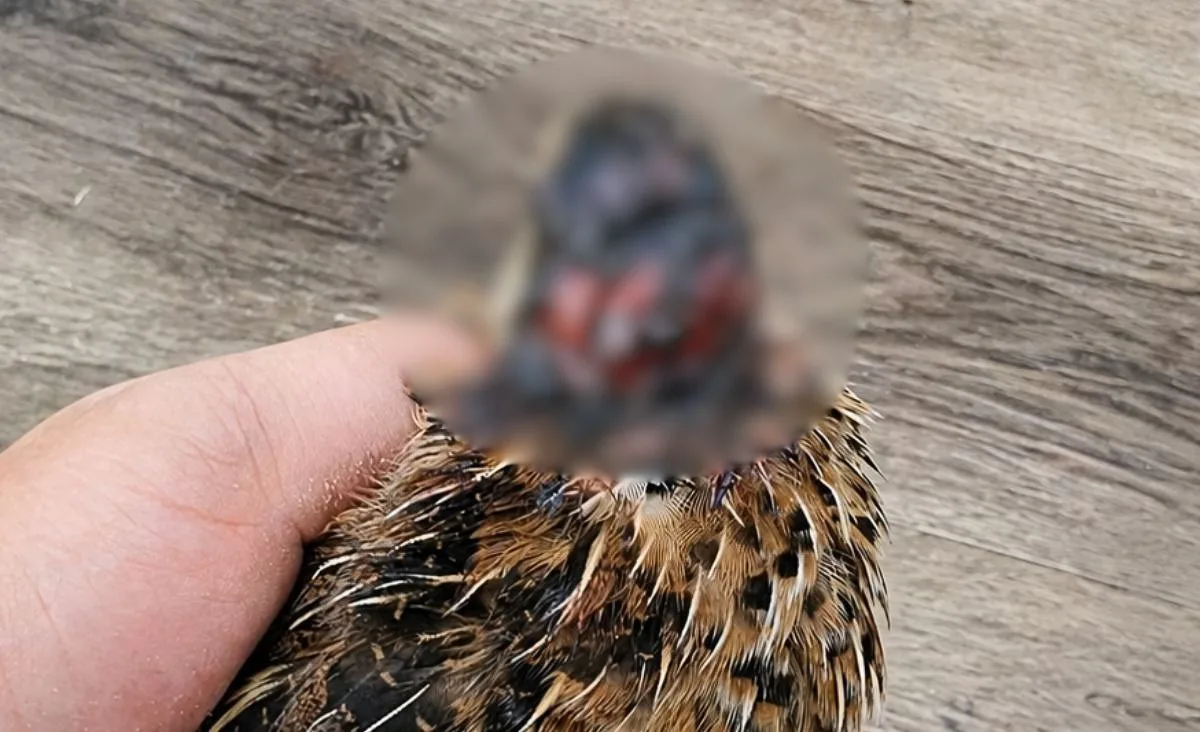
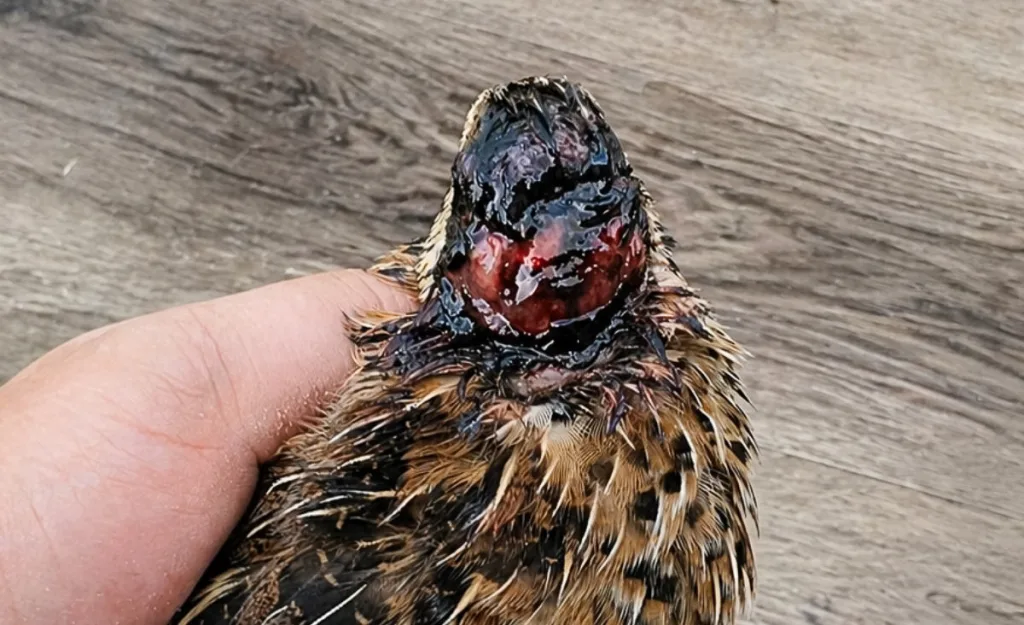
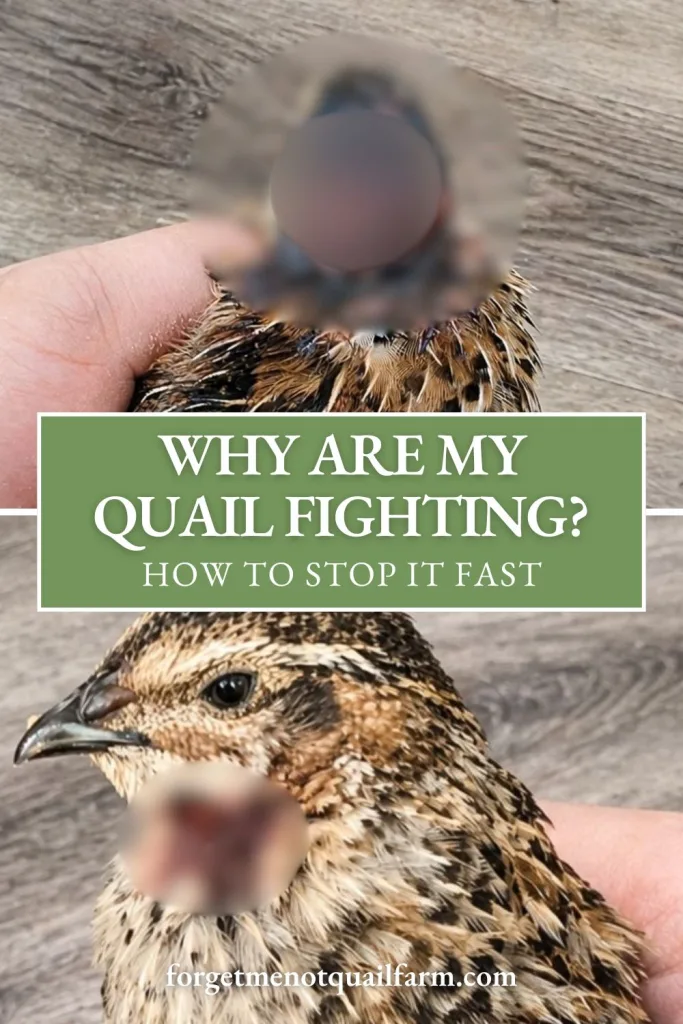
THIS POST CONTAINS GRAPHIC IMAGES
I’ve had coveys that ran smoothly for weeks and then turned on each other in a single afternoon. When you’re keeping Coturnix at any scale, this isn’t a rare situation. It shows up fast, and it can get out of hand quickly.
Coturnix don’t ease into conflict the way chickens often do. Once something tips them over, it can go from a little chasing to feather loss and injuries within hours. Fighting almost always traces back to a specific trigger, and once you identify it, you can stop it quickly.
What to Do Right Now If Your Quail Start Fighting
If you’re seeing active aggression, deal with the situation first and diagnose it second. Start with this:
- Remove any injured bird immediately
- Separate the aggressor if you can identify it
- Reduce light intensity and duration right away
- Check for overcrowding or recent changes in the pen
This won’t fix it, but it buys you time to figure out what’s going on.
What’s Causing the Fighting and How to Tell
There are a few common causes. Once you match the behavior to one of them, you’ll know what to do.
Overcrowding and Space Pressure
This is one of the most common causes, especially in pen or cage setups. When space gets tight, birds can’t avoid each other. That means they’re constantly bumping into each other, and that turns into irritation, then aggression. You’ll usually see quick chasing at first, then one bird getting picked on over and over with no chance to get away.
In production-style setups, you’re looking at about 2 to 3 birds per square foot. Once you push past that, tension builds quickly. It doesn’t take long. If you’re not sure where your setup falls, take a look at how much space Coturnix quail actually need in a pen setup and compare it honestly to what you have now.
Male to Female Ratio Problems
Too many cocks in a covey will almost always lead to fighting. You’ll see:
- Cocks chasing each other constantly
- Hens being overbred and stressed
- General agitation across the group
A stable ratio is usually around one cock to four to six hens. Once you move outside that range, fighting usually follows. If you’re running a mixed group and seeing issues, it’s worth revisiting getting your male-to-female ratio right from the start so you’re not fighting this long-term.
Lighting That’s Too Bright or Too Long
Coturnix respond strongly to light. Long days and harsh lighting increase activity, and that often turns into aggression. This is especially noticeable if you’re running lights to maintain laying. If your birds are getting 14 to 16 hours of strong light (they do not need more than 16 hours), or if the light source is harsh and direct, try dialing it back. Switching to something softer like a warm rope light on a timer can calm a covey down quickly. You don’t need to shut the light down. Just take some of the intensity out of it.
Nutrition and Protein Imbalances
Layer birds should be getting a consistent 17 to 20 percent protein diet. If protein drops too low or feeding becomes inconsistent, you can start to see feather picking and aggression. Even if it’s not the main cause, it makes aggression worse. If you suspect feed might be part of the problem, review what a balanced Coturnix quail diet should look like and make sure nothing has slipped.
New Birds or Disruptions in the Covey
Coturnix do not blend new birds easily. If you’ve added birds, rearranged pens, or moved things around, this is one of the quickest ways to trigger fighting. You’ll often see it within the first day.
Don’t put new birds straight into the pen. Set them up where both groups can see each other but not touch. A wire divider or a separate cage placed right next to the main pen works well. Leave them like this for a few days. You’ll usually see some posturing at first, then things settle. Once you see that, you can go to the next step.
When you’re ready to combine them, do it after dark. Quail are much calmer at night, and you’re giving them several hours to settle into the same space without immediate confrontation. By morning, they’re more likely to accept each other as part of the same group.
If you can, change the layout right before you introduce the new birds. Move feeders, waterers, or any objects in the pen. This keeps it from feeling like one group owns the space.
Some chasing is normal, but it should be brief and spread across the group, not focused on one bird. If you see that, step in immediately.
Normal Pecking Order vs Real Aggression
Not all chasing is a problem. This is where it’s easy to misread what’s happening. Normal behavior looks like:
- Brief chasing
- No injuries
- Birds settle back down quickly
- Feather loss on just the heads of hens
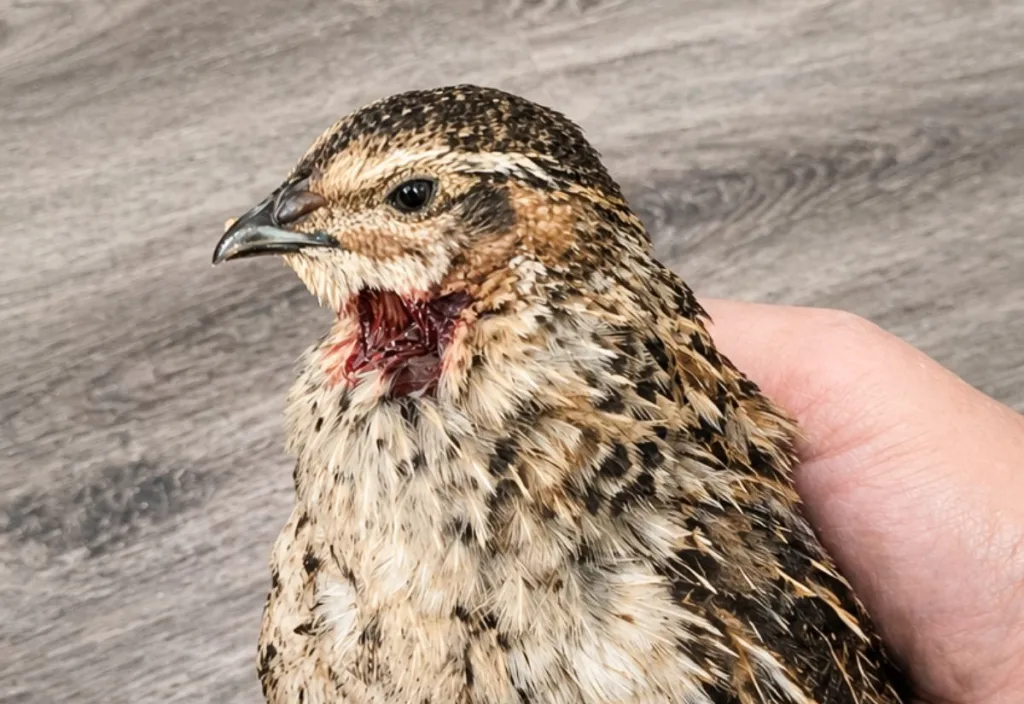
Real aggression looks like:
- One bird being singled out repeatedly
- Feather loss, especially on the back or head
- Blood or open skin
- Birds being cornered with no escape
Once blood is drawn, the situation changes. Coturnix will continue to target that bird, and it won’t resolve on its own.
How to Stop Fighting and Keep It from Coming Back
Once things are stable again, focus on preventing the same issue from happening twice.
Walk back through your setup and make sure those basics are right. Give birds enough space so they can move away from each other. Keep your ratios consistent and avoid mixing birds unless you have a plan for introductions. Maintain steady lighting instead of sudden changes. Keep feed consistent and at the right protein level.
Think back to the last change you made. That’s usually what set it off. If you can identify what shifted, you can usually prevent it next time.
If you’re dealing with repeated issues or things that don’t quite add up, it helps to track what’s happening day to day. I keep notes on behavior, injuries, and changes so I can spot patterns early. There’s a simple tracker in the Resource Library if you want something structured to follow.
When You Need to Remove or Cull a Bird
Some birds don’t calm down and get along. If one bird continues to attack others even after you’ve corrected space, ratios, lighting, and feed, it may need to be removed from the covey permanently. The same goes for birds that are repeatedly targeted. Reintroducing them often leads to the same outcome.
It’s not what you want, but a single bird can cause repeated problems if it isn’t removed.
Frequently Asked Questions
Still have questions? These are the ones that come up most often once fighting starts.
Something changed. It could be space, ratios, lighting, feed, or the addition of new birds. Coturnix react quickly to changes, so the timing usually lines up with a specific trigger.
They can. Once aggression escalates and especially once blood is involved, it can turn serious quickly if you don’t step in.
Yes. Separate injured birds immediately, and remove the aggressor if you can identify it. Waiting usually makes the situation worse.
Sometimes, but success depends on what caused the issue. If the original trigger is still there, the behavior usually comes back. I also believe that aggression can be genetic, so we do not breed birds that display aggression.
Both can. Males tend to be more obvious, but hens can become aggressive, especially under stress from overcrowding, poor ratios, or low protein.
Quail fighting can feel like it comes out of nowhere, especially when everything seemed fine the day before. It’s one of those moments that makes new keepers second-guess what they’re doing. This gets easier the more time you spend around them.
After you’ve dealt with it a couple times, you start to recognize the early signs and catch problems before they escalate. You’ll know when a setup feels too tight, when a ratio is off, or when something just isn’t sitting right in the covey. You start catching it earlier.