Is It Okay to Keep Just One Coturnix Quail?
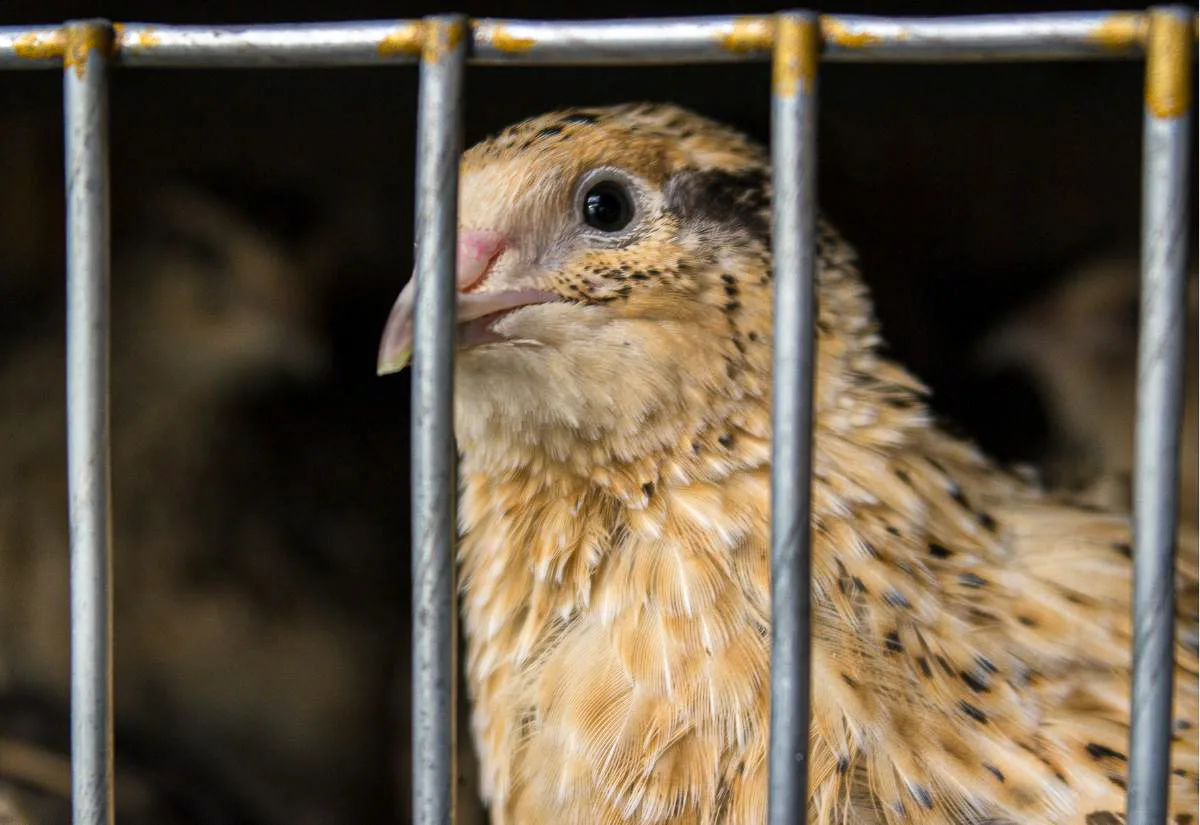
This question almost always comes before the first quail purchase or after someone accidentally ends up with a single bird. You can keep just one Coturnix quail. Whether I’d suggest it is another matter.
Coturnix quail are hardy birds, but they’re also deeply social. Keeping a single quail isn’t automatically cruel or doomed, but it does come with trade-offs that are important to understand before you commit. Let’s walk through what’s realistic, what’s risky, and what works better in the long run.
Coturnix Quail Are Social Birds
Coturnix quail aren’t cuddly, and they don’t form visible bonds the way chickens sometimes do, but they are absolutely social.
In a normal setup, quail spend their time moving, resting, and eating alongside others. They take behavioral cues from the group. When one bird freezes, the rest freeze. When one starts eating, the others follow. It’s subtle, but it makes a real difference to how quail function day to day.
When you remove the group entirely, a single quail loses that constant feedback. The bird may still eat, lay, and appear “fine,” but the behavior underneath often changes.
What Usually Happens When You Keep Just One Quail
A single Coturnix quail can survive alone, but survival isn’t the same as thriving.
Common Behavior Changes in Single Birds
Many lone quail become noticeably quieter and more withdrawn. Some pace their enclosure or startle more easily. Others vocalize more, especially when they hear birds outside or even human voices nearby. Most of the time, stress shows up indirectly: production dips, healing takes longer, and the bird stays jumpy.
Health & Longevity Considerations
Stress doesn’t always cause immediate problems, but it does lower a bird’s resilience over time. A single quail has no social buffering, which means small issues can hit harder. It doesn’t mean something will go wrong, but when it does, it escalates quicker.
Situations Where One Quail Is Okay
There are situations where keeping one quail makes sense, at least temporarily.
Temporary Isolation or Recovery: If a bird is injured, ill, or recovering from stress, short-term solo housing is sometimes necessary. In these cases, visual or auditory contact with other quail helps a lot. Housing the bird where it can hear the covey reduces stress significantly.
Human-Interactive Setups: A lone quail kept indoors or in a high-interaction environment can sometimes do okay, but it helps to understand how quail actually behave around people before making that choice. Frequent human presence, consistent routines, and environmental enrichment all help, but this requires daily effort and awareness. It requires daily awareness, not autopilot care.
End-of-Life or Unexpected Losses: Sometimes a bird outlives the rest of its covey. In those cases, keeping a single quail may be the most practical and humane option, especially if the bird is older and calm.
Why Two Quail Is Usually Better Than One
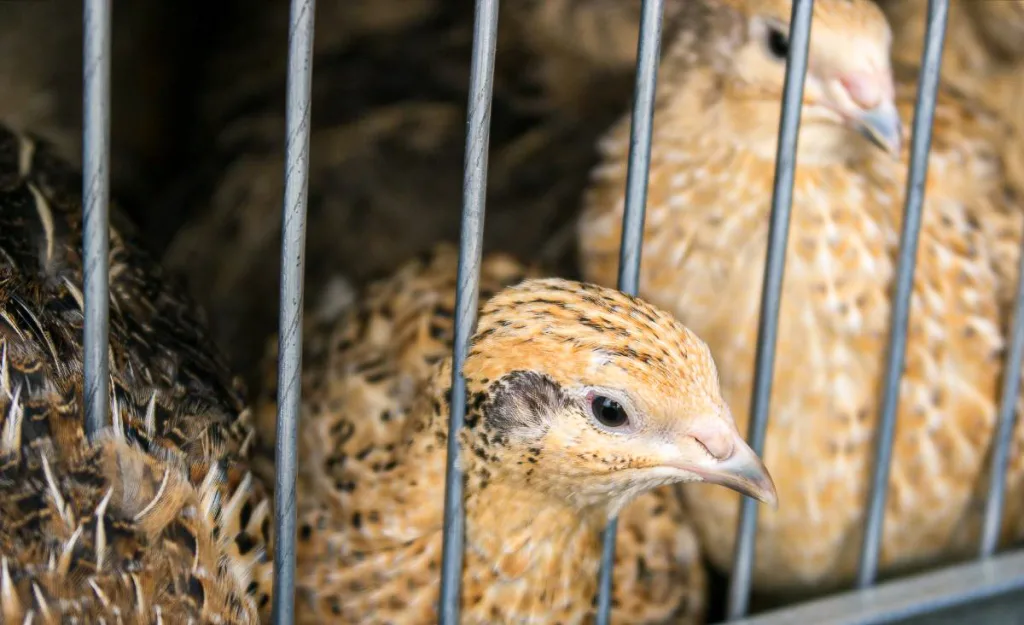
If your goal is companionship without managing a full covey, two quail are dramatically easier than one. A pair provides social feedback, shared alertness, and calmer behavior overall. Even two hens together tend to be more relaxed and consistent than a single bird, with very little added workload for the keeper. The workload stays about the same. The birds don’t.
Housing Considerations for a Single Quail
Housing matters more when the bird doesn’t have social backup. Space should still follow standard guidelines. A single bird doesn’t benefit from oversized housing, but cramped spaces increase pacing and stress. Around ½–1 square foot works well for one bird, depending on enclosure style.
Visual stimulation helps. Placing the enclosure where the bird can see normal household activity (or other birds at a safe distance) often improves behavior.
Feeding, Lighting & Routine Matter More
Without social cues, a lone quail relies entirely on environment and routine. Consistent lighting is especially important. Aim for 14–16 hours of light if the bird is a hen and you want to maintain laying. Sudden changes in light can cause noticeable stress responses. Food and water should be easy and consistent. A stressed bird is more likely to skip meals, so reliable feeders and waterers matter even more than usual.
Frequently Asked Questions
If you’re still on the fence, these are the questions people usually ask next.
Some appear content, especially in high-interaction environments, but most do better with at least one companion.
Yes. Hens will lay without a male or a group, assuming nutrition and lighting are adequate.
Not automatically. Long-term isolation without enrichment or interaction is where welfare concerns start to show.
Two is far better than one. Four to six is where Coturnix quail really settle into natural behavior.
You can keep just one Coturnix quail, but it’s rarely the best option if you have a choice. These birds are tougher than they look, but they function better when they’re not alone. If you already have a single bird, don’t panic. With thoughtful setup and attention, you can support that quail well while you decide what comes next.
And if you’re still in the planning stage, this is an easy win: start with two. If you’re asking these questions, you’re already doing better than most. You’ve got this.