Safe Quail Pen Height to Prevent Head Injuries
Anyone who raises Coturnix quail for a while learns this lesson sooner or later. A bird gets startled, shoots straight upward, and hits the ceiling hard. It’s a fast vertical flush response that is built into the bird. If the ceiling is wrong, injuries can happen.
Over the years raising several hundred birds at a time in Maine, I have tested different cage and pen styles. There is a simple rule that prevents most of these injuries. Coturnix quail pens should be either 12 inches or less or 6 feet or more. Anything in between creates a danger zone where quail can build enough momentum to hit a hard surface.
Whether you are building new or adapting a structure, this is a detail worth getting right from the start.
The Safe Height Rule for Coturnix Quail Pens
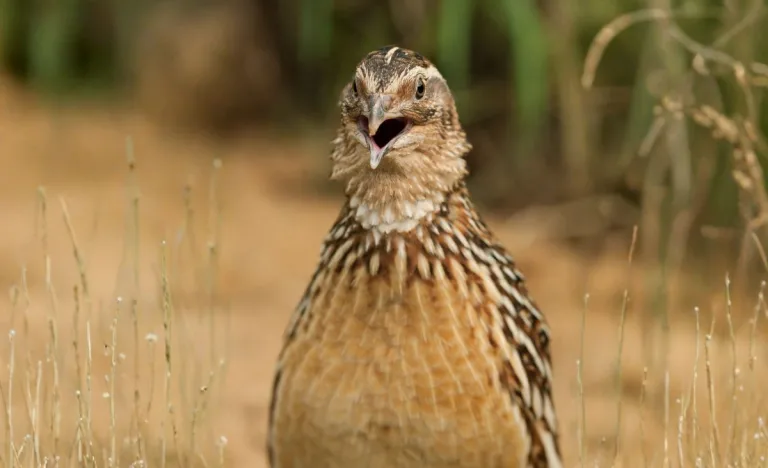
Coturnix quail respond to sudden movement or noise by launching straight upward. Unlike chickens, which often run or flap forward, quail shoot vertically for a short burst. That reaction lasts less than a second, but it is powerful. Because of that behavior, pen height falls into two safe categories.
- Pens or cages 12 inches or lower
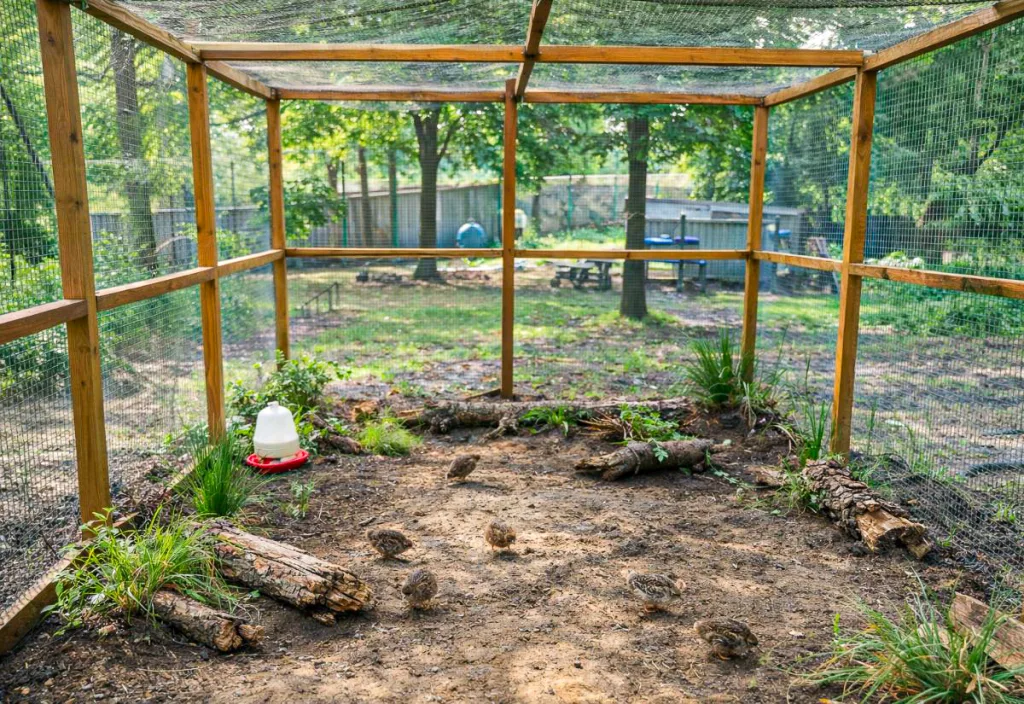
- Aviaries 6 feet or taller
Low ceilings prevent the speed buildup. Tall aviaries give them enough space to avoid the roof. The dangerous range sits between those two numbers. Pens that are two to four feet tall may seem practical for a person working in the enclosure, but that range is where injuries most often occur.
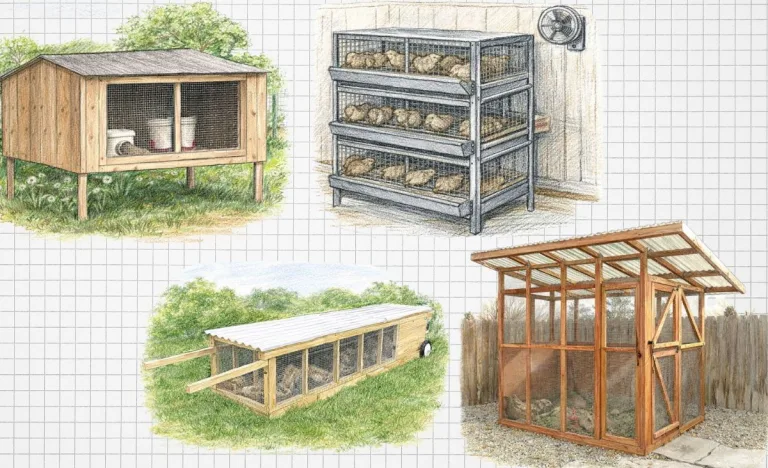
If you are still deciding what type of setup to build, it helps to understand how height interacts with housing style. I walk through the different housing styles for Coturnix quail in another guide if you want a deeper look at cage systems, aviaries, and tractors.
Why Medium-Height Pens Cause Injuries
The mistake many new keepers make is building a pen that feels comfortable to work in. Something around two or three feet tall seems practical for reaching in and cleaning. Unfortunately, that range is where quail gain enough speed to hit the ceiling hard.
The Vertical Flush Response
When a quail is startled, it pushes straight upward using a rapid wingbeat and leg thrust. The motion is quick and nearly vertical. In a pen with moderate height, the bird accelerates upward but does not have enough room to slow down before contacting the ceiling. When they hit the ceiling hard, the result can be injury or sudden death.
There are usually small warning signs before a serious injury shows up. Missing feathers on the head, brief disorientation, or birds avoiding a certain part of the pen can indicate that the ceiling height is wrong.
Why Low Pens Work
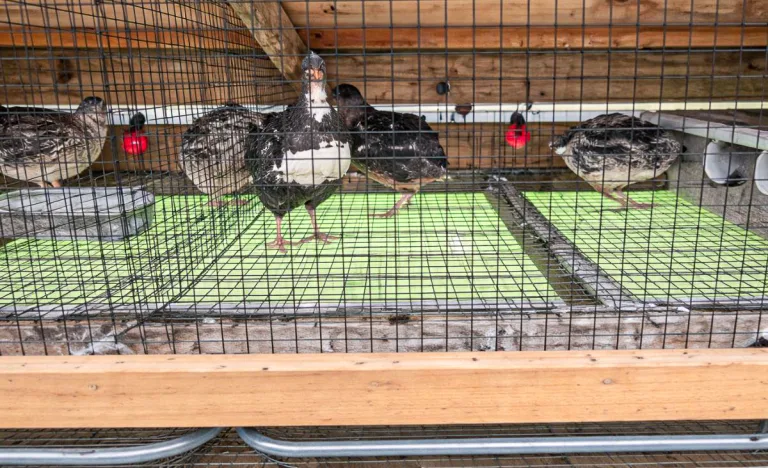
Pens around 10 to 12 inches tall prevent that momentum from building in the first place.
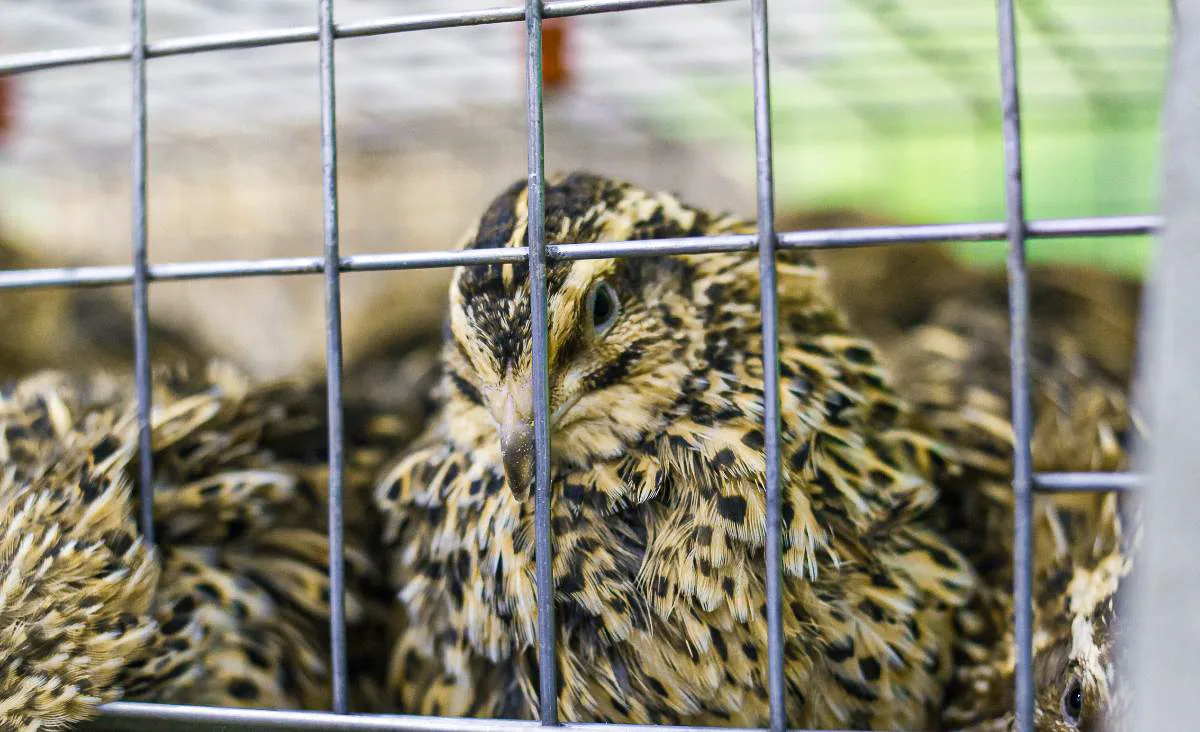
The bird still attempts the flush response, but the limited space stops the motion almost immediately. Most Coturnix cage systems are built around a 10 to 12 inch height for exactly this reason. Some keepers use purpose-built cages from HatchingTime because the low ceiling and plastic ceiling help reduce injury risk.
Low cages also make it easier to maintain correct stocking density. If you are building cages yourself, it helps to understand how much space Coturnix quail need in pens and cages so the enclosure supports both safety and productivity.
What to Do if You Are Using an Existing Building
Not everyone starts with a purpose-built quail pen. Many sheds and barns have ceilings six feet or higher, which is tall enough for quail to flush upward safely. Problems start when the ceiling falls into that middle height range. If the ceiling falls into that danger zone, there are two ways to fix it.
Install a Drop Ceiling
A simple framed drop ceiling can bring the height down into the safe range. Many keepers install wire, plywood, or lightweight panels about 10 to 12 inches above the birds. This approach works well in garages and sheds because it also simplifies lighting and ventilation control.
Add Netting or Soft Barrier Material
If lowering the ceiling is not practical, the other option is adding a soft barrier below the roof. Shade cloth, aviary netting, or similar material placed a few inches below the hard surface will absorb the impact if a bird flushes upward. The key point is preventing quail from hitting a rigid ceiling directly.
Before committing to any permanent structure, it also helps to think through choosing the best location for your Coturnix quail pen so the setup works with your space rather than against it.
Other Housing Details That Reduce Flush Injuries
Height is the biggest factor, but a few additional management choices help keep quail calm inside their enclosure.
- Keep lighting consistent. Sudden changes from bright to dark can trigger a flush response.
- Avoid placing pens where shadows from trees or buildings move rapidly across the enclosure.
- Add visual cover such as low shelters or plants in aviaries so birds feel less exposed.
- Approach the pen slowly when collecting eggs or refilling feeders.
Coturnix quail mature quickly. By three weeks of age their bodies are mostly feathered, and by four weeks they are fully feathered and capable of powerful bursts of movement. Housing design needs to account for that behavior early.
If you are still planning your enclosure layout, the free Backyard Quail Pen Planner in the Resource Library can help you sketch out dimensions before you start building. And if you’re not sure which flooring will work best for your setup, learn the pros and cons of wire versus solid flooring.
Frequently Asked Questions
Still have questions? These are a few things new quail keepers often ask when planning their first pen.
Eighteen inches sits inside the injury range for many setups. At that height quail can build upward momentum and strike the ceiling hard. Pens under 12 inches or aviaries over six feet are safer options.
No. The same height rule applies regardless of size. A cage around 10 to 12 inches tall works well for both standard and jumbo lines.
It is a predator escape response. In the wild, quail launch upward suddenly to avoid danger. In a pen the behavior still occurs, even if the threat is just a loud noise or sudden movement.
Yes. Soft netting or shade cloth installed below the roof can absorb impact and prevent direct contact with a hard surface. This method is often used in converted buildings where lowering the ceiling is difficult.
Both systems can work well when built correctly. Low cages prevent upward momentum, while tall aviaries allow birds to complete their upward burst safely. Problems appear when the pen height falls somewhere in the middle.
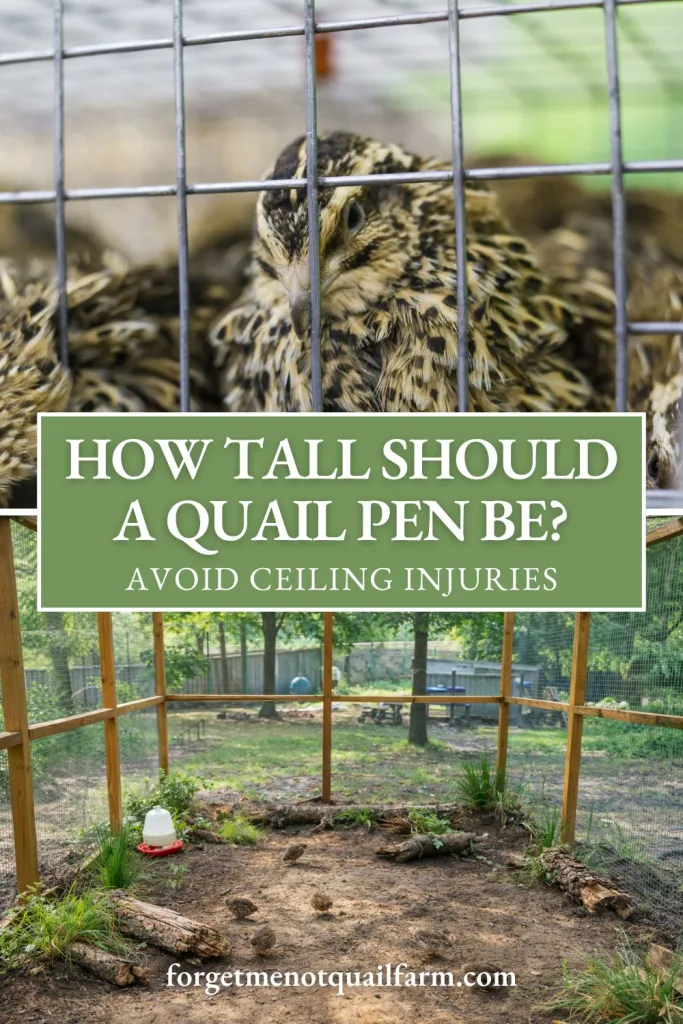
Once you know the height rule, the rest of the setup is fairly simple. Pens built at 12 inches or lower prevent birds from gaining upward speed. Aviaries six feet or taller give them enough space to complete that instinctive flush response safely. Anything in between is where injuries tend to occur.
When you design your pen with that rule in mind, you remove one of the most common risks in Coturnix quail housing and give your covey a safer environment from the start.