Wire Floor vs Solid Floor for Quail: Which Works Best?
When people visit my hatchery or message me about setting up their first quail enclosure, one question comes up again and again. Should the floor be wire or solid?
I’ve raised Coturnix quail since 2013 and have managed everything from small backyard pens to larger breeding setups. I’ve used both flooring styles over the years. Each one has strengths, limitations, and situations where it works better. Most problems people blame on flooring come down to enclosure design, stocking density, or sanitation.
Coturnix quail mature quickly. Eggs hatch in about 18 days, chicks move out of the brooder at roughly three weeks when they are mostly feathered, and they reach sexual maturity around eight weeks. Because they grow fast and produce manure constantly throughout the day, cleaning becomes one of the biggest parts of daily quail care. Flooring determines whether that waste builds up around the birds or falls away from them. There really isn’t one “right” flooring choice. It depends on the enclosure you’re building and how you plan to manage it.
Why Flooring Matters More Than Many New Keepers Expect
Coturnix quail are ground birds, but they behave differently than chickens in confinement. Chickens scratch constantly and spend time perched. Quail move quickly across the enclosure, lay eggs directly on the ground or cage floor, and typically lay in the afternoon rather than building nests the way chickens do. Flooring affects several practical things:
- How manure is handled
- How clean eggs stay
- How often the enclosure needs cleaning
- How much odor builds up
- How comfortable the birds’ feet remain over time
Many beginners picture quail living on bedding the same way chickens do. That can work in certain enclosures, especially aviaries or ground pens. In cage-style housing, though, manure management becomes the biggest factor.
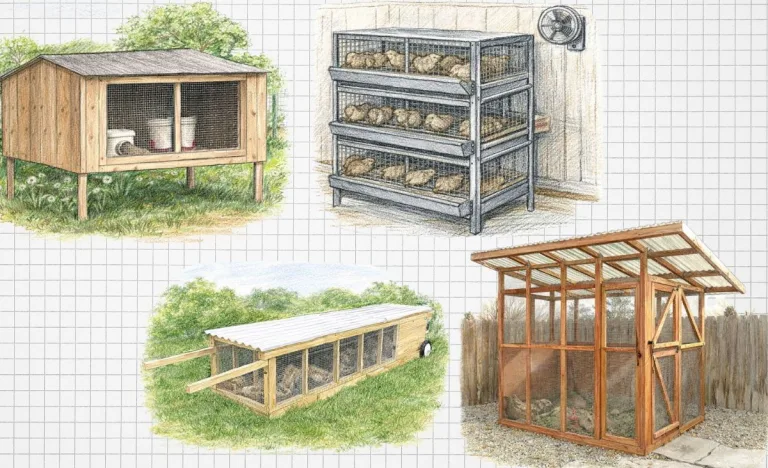
If you are still planning the overall enclosure design, my guide to different types of Coturnix quail housing setups explains how pens, aviaries, cages, and tractors function differently. Once the enclosure type is decided, the flooring question gets a lot simpler.
Wire Floors for Coturnix Quail Enclosures
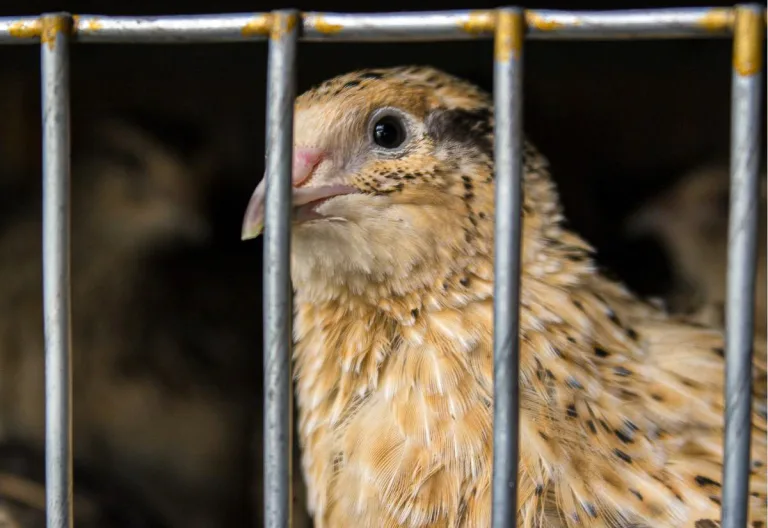
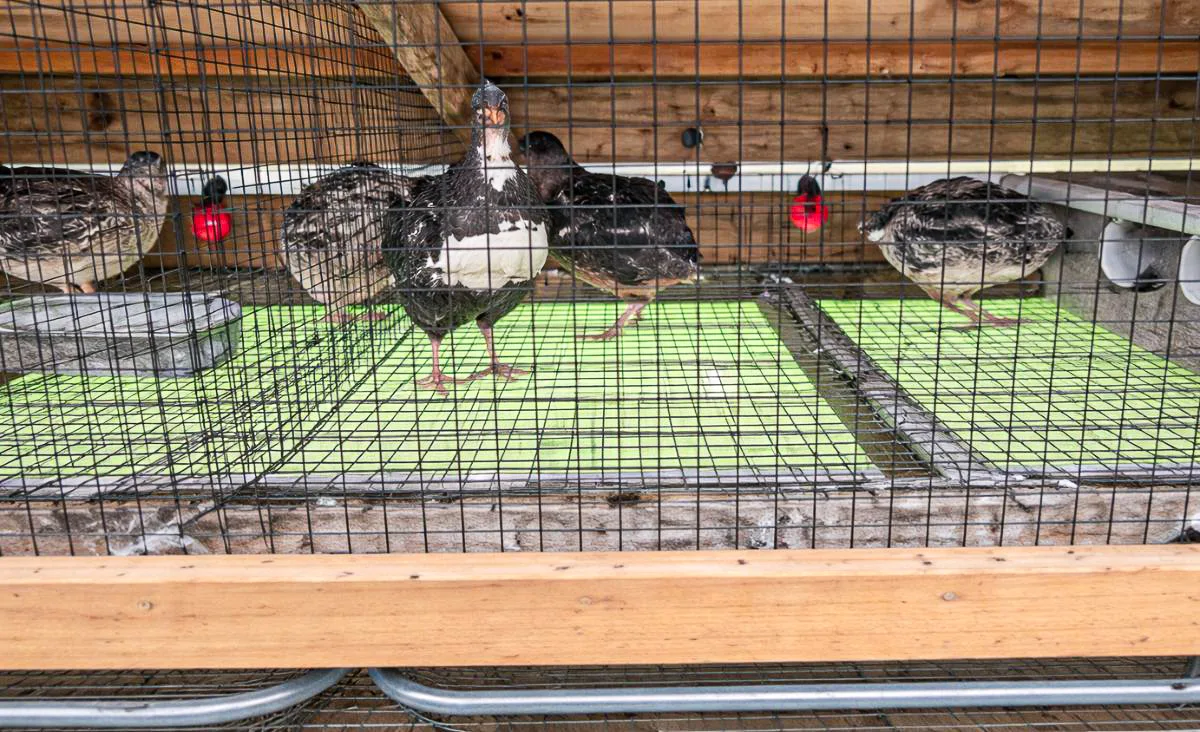
Wire flooring is common in quail cages because it simplifies sanitation. Droppings fall through the mesh instead of accumulating around the birds. If the cage floor uses half inch mesh and the wire doesn’t sag, wire flooring works well for Coturnix.
Why Wire Floors are Widely Used
In cage systems, wire floors keep the birds separated from their manure. That difference changes how much cleaning you end up doing. With a manure tray or collection surface beneath the cage, droppings fall through immediately. Eggs stay cleaner because they are not sitting in bedding. Airflow improves, and ammonia buildup is reduced.
This approach is common in breeding cages, stacked cage systems, and rabbit-hutch style enclosures.
Most quail cages use ½ inch coated hardware cloth for flooring. The smaller openings support the bird’s feet while still allowing manure to fall through. Uncoated wire can work, but coated hardware cloth tends to be smoother and easier on their feet over time.
Advantages of Wire Floors
Wire floors provide several practical benefits:
- manure drops away from the birds
- eggs remain cleaner
- bedding is not required
- odor buildup is reduced
- cleaning often involves emptying trays rather than replacing bedding
For breeding cages or egg production setups, this usually means cleaning trays every few days instead of replacing bedding.
Limitations of Wire Floors
Wire flooring is not ideal in every situation.
Large mesh sizes can cause problems because quail feet may slip between the wires. Poorly supported wire can flex under the bird’s weight. Overcrowded cages increase pressure on the wire and can contribute to foot irritation. Stocking density plays a major role here. Following the recommended space for Coturnix quail in pens and cages prevents many of the issues that get blamed on flooring. For most cage setups, two to three birds per square foot works well. When birds are packed more tightly than that, sanitation and foot comfort both decline.
Solid Floors for Quail Pens and Aviaries
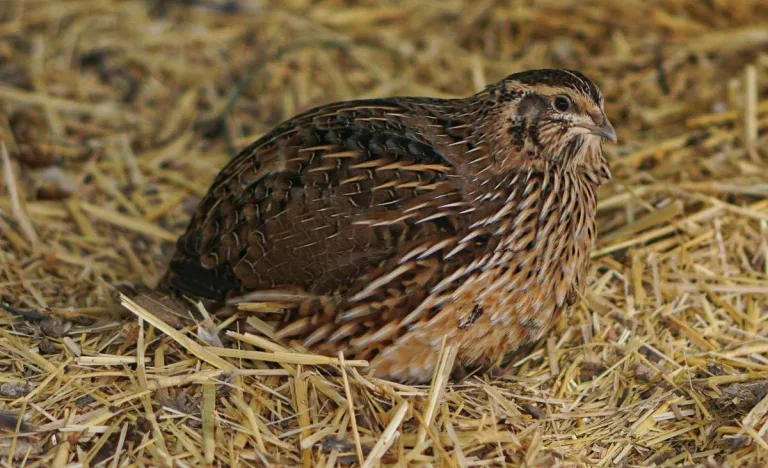
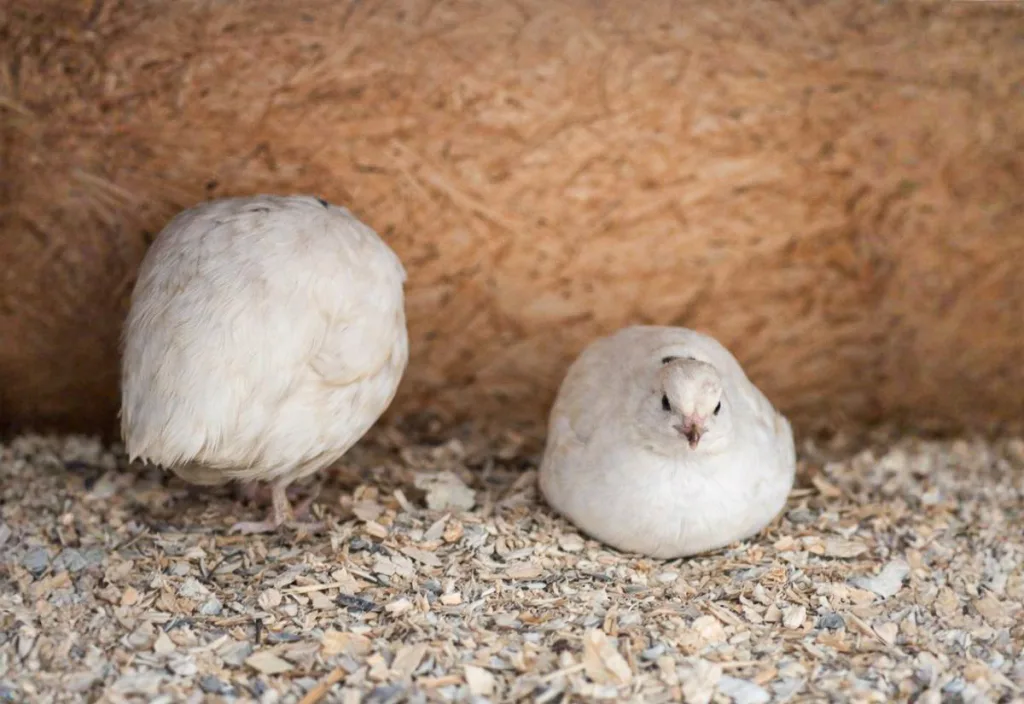
Solid floors are common in aviaries, tractors, and ground pens where birds have more room to move and interact with bedding or soil. These setups allow quail to express natural behaviors like scratching and dust bathing. Because manure does not fall through the floor, waste management becomes the main challenge.
Advantages of Solid Floors
Solid floors allow for a more natural environment. Birds can scratch through bedding, dust bathe, and explore the enclosure. Many backyard keepers prefer this style because it looks more like a traditional poultry setup. In aviaries or larger pens, solid floors also allow you to incorporate sand, soil, or deep bedding systems that support natural behavior.
Limitations of Solid Floors
Solid floors keep the manure inside the pen. Bedding needs regular replacement to keep the area clean and dry. Moisture buildup also becomes an issue if ventilation or drainage is poor. If you have ever wondered why quail housing can develop strong odor, I explain the causes in more detail in my article about why quail enclosures sometimes develop strong odors.
Egg cleanliness can also vary. Quail often lay eggs directly on the ground, and in heavily scratched bedding those eggs may get buried or dirty.
Matching Flooring to the Type of Enclosure
You’ll often hear people argue that one floor is better than the other. In reality, the best choice depends on the enclosure design.
Cage systems benefit from wire floors because sanitation is handled automatically as manure falls away from the birds. Ground pens and aviaries benefit from solid floors because birds have space to interact with bedding and the waste can be managed through regular cleaning. In tractors or pasture pens, quail often live directly on grass or soil while the pen is moved regularly to keep the ground from becoming saturated with manure.
When you are planning a new enclosure, layout decisions often happen before construction begins. If you want help mapping out dimensions and materials, the Backyard Quail Pen Planner in the Resource Library can make that process easier.
Foot Health and Safety Considerations
One of the most common concerns about wire flooring is foot health. When problems occur, they usually trace back to a few common issues.
Large mesh sizes allow toes to slip between wires. Rough or rusted wire creates friction. Overcrowded cages increase pressure on the floor. Poor sanitation exposes the birds’ feet to manure for extended periods. Coturnix quail are small birds that usually weigh around five to seven ounces as adults, which means their feet place relatively little pressure on properly sized wire flooring.
Solid floors are not completely risk free either. Damp bedding and manure buildup can contribute to bacterial issues if sanitation is poor.
In most cases, good cage design and regular cleaning prevent these issues.
Frequently Asked Questions
Many new quail keepers have similar questions once they start planning an enclosure. Here are a few that come up often.
Not when the mesh size is appropriate and the enclosure is not overcrowded. Most quail cages use half inch mesh because it supports the bird’s foot while still allowing manure to fall through.
Yes, especially in aviaries or ground pens. The key difference is cleaning frequency. Quail produce manure quickly, so bedding must be replaced regularly to prevent odor and moisture buildup.
Solid floors with sand, soil, or bedding usually work best in aviaries. These setups allow quail to dust bathe and scratch naturally while still giving the keeper room to manage bedding.
No. Quail chicks should start in a solid-bottom brooder with bedding or paper towels. Once they are around three weeks old and mostly feathered, they can transition to hardware cloth flooring if that is part of the adult enclosure.
Wire flooring tends to keep eggs cleaner in cage systems because eggs remain separated from manure and bedding.
Both wire floors and solid floors can work well for Coturnix quail when they are used in the right type of enclosure. Wire floors simplify sanitation in cage systems and help keep eggs clean. Solid floors work well in aviaries and pens where birds have space to interact with bedding and soil.
After using both systems over the years, I have seen healthy coveys thrive on either flooring style when the enclosure is built well and kept clean. The best choice depends on your setup and how you want to handle manure and bedding.