Coturnix Quail Housing Guide for Pens, Aviaries, and Tractors
I started raising Coturnix in 2013 with twenty birds on a small urban lot. Since then I have managed coveys ranging from a handful of backyard layers to between 150 and 500 birds at a time in a working hatchery here in Maine. I have built pens that worked well and rebuilt ones that did not. Most housing mistakes show up fast in dropped egg production, fighting, damp bedding, or rodents.
Housing questions usually come down to one thing. How do I not mess this up? In this guide I will walk you through space, structure, airflow, predator protection, and daily management so your housing supports healthy, productive birds from day one.
If you are still deciding whether Coturnix are the right fit for you, I break down temperament, noise level, and daily care expectations in why Coturnix quail are an ideal backyard bird for beginners. Once you understand how they act, the housing decisions get easier.
Where to Put Your Quail Coop or Pen
Before you buy materials or bring birds home, decide where the housing will sit and how you will move around it. A good design in the wrong spot will still frustrate you every day. Your pen should be:
- Easy to access in all seasons
- Close enough to power if you plan to use supplemental lighting
- Protected from standing water and runoff
- Far enough from neighbors to prevent odor complaints
Place the pen where you can reach it easily in snow, mud, and rain. If you live in a cold climate, that may mean within twenty to thirty feet of your house so winter chores are manageable. I prefer slightly elevated ground with natural drainage. Even in stacked cage systems, moisture from snow melt or heavy rain can create problems if the area underneath stays wet.
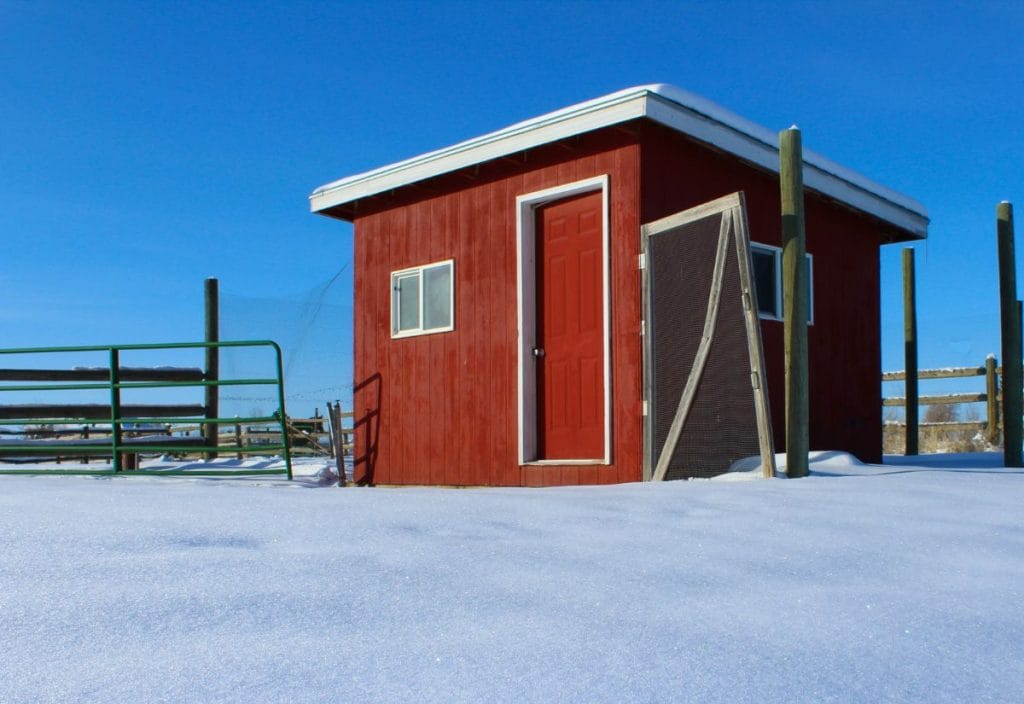
If you are still mapping things out, my Backyard Quail Pen Planner walks you through bird numbers, square footage, and layout decisions so you can see it on paper before you build. It is easier to erase a pencil line than move a pen full of birds.
For readers who are just gathering tools and equipment, the Beginner’s Coturnix Quail Supply List pairs well with this stage so you are not making multiple last minute trips to the feed store.
How Much Space Coturnix Quail Need (Cage + Pen Size)
Space mistakes are one of the fastest ways to create stress in a covey. Some beginners crowd their birds. Others give them far more room than they need, assuming that more space always means healthier birds. With Coturnix, both extremes can cause problems. Coturnix tolerate higher density than chickens, but only when the housing style supports it. At the same time, excessive open space in ground pens can encourage territorial behavior, especially in mixed-sex breeding groups.
Before you calculate square footage, decide how many birds you are starting with. I walk through realistic beginner numbers in how many Coturnix quail you should start with, including what changes when you keep layers only versus a breeding group.
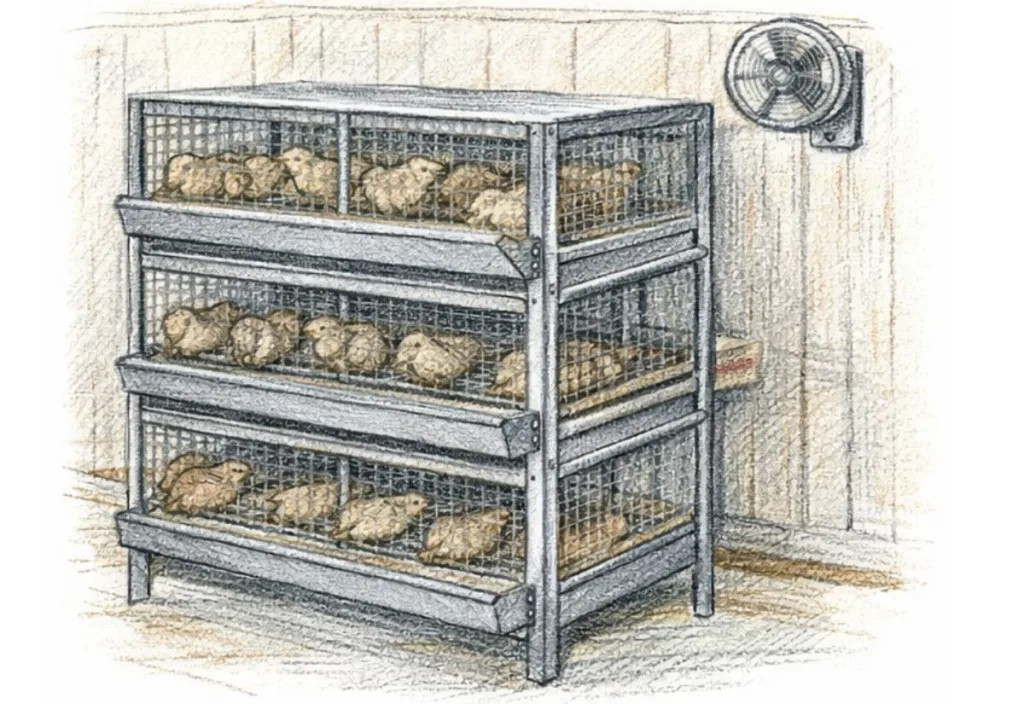
Quail Cage Setup (Stacked Cages + Production Pens)
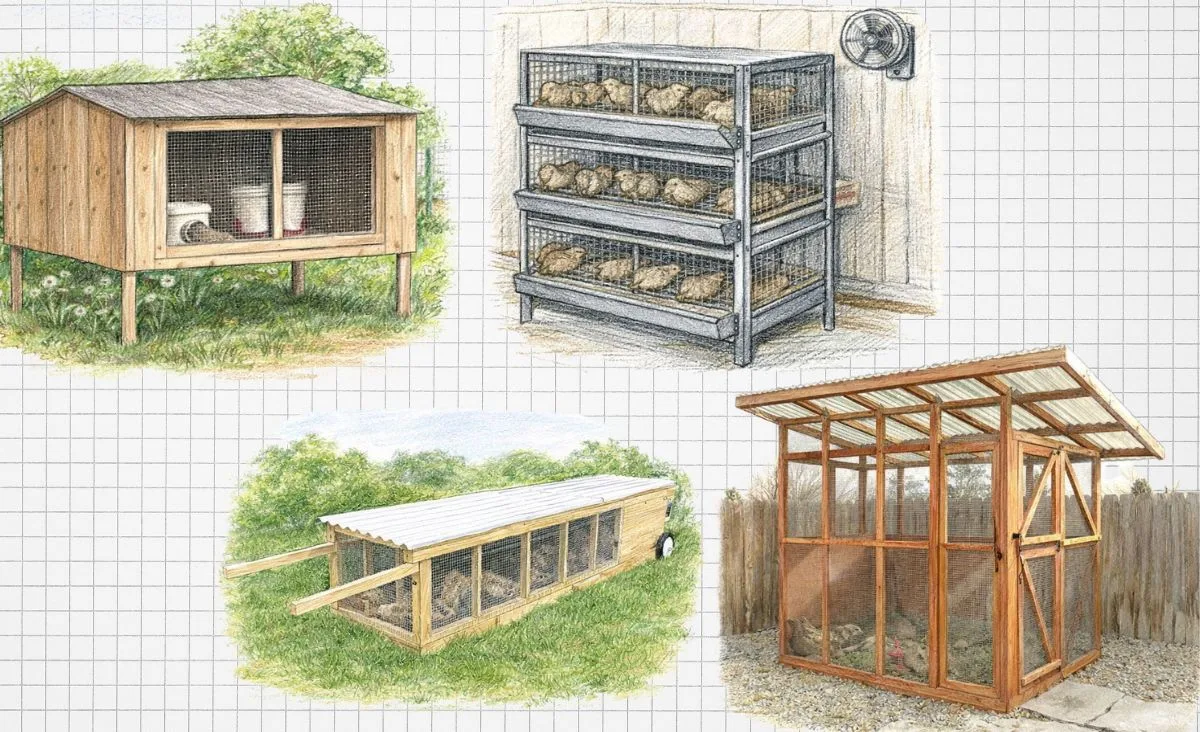
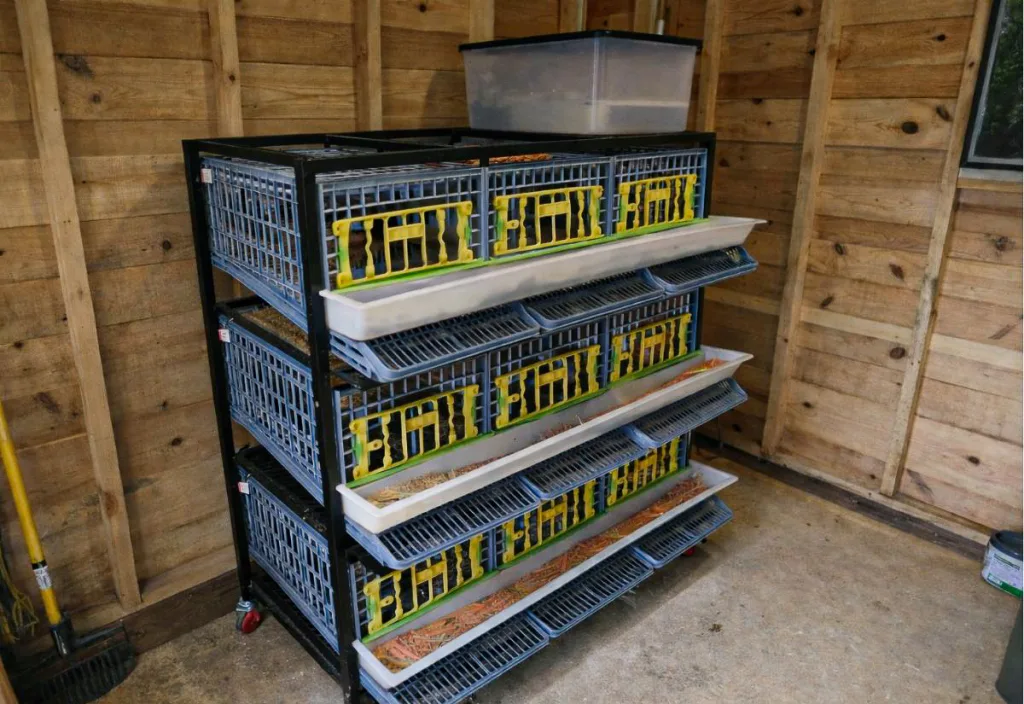
In a quail cage setup, I am for two to three birds per square foot. This is efficient and works well when droppings fall away from the birds and airflow is steady. High density without proper manure management leads to ammonia buildup and damp conditions. You cannot pack birds in without the right system.
When I scale beyond hobby numbers, I use systems designed for that density. I have used HatchingTime cages in my own hatchery because they are built for stacking, manure management, and egg collection without daily rearranging. If you are exploring that direction, you can look at their systems here: HatchingTime stacked cage systems for Coturnix quail. If you decide to go that route, I do have a code that saves $25 on orders over $500. The code is forgetmenot.
Most stacked cages are built between eight and twelve inches tall. That lower height helps prevent injury when birds flush upward. Coturnix do not need headroom like chickens do. In fact, excessive vertical space without padding increases the risk of head and neck injury.
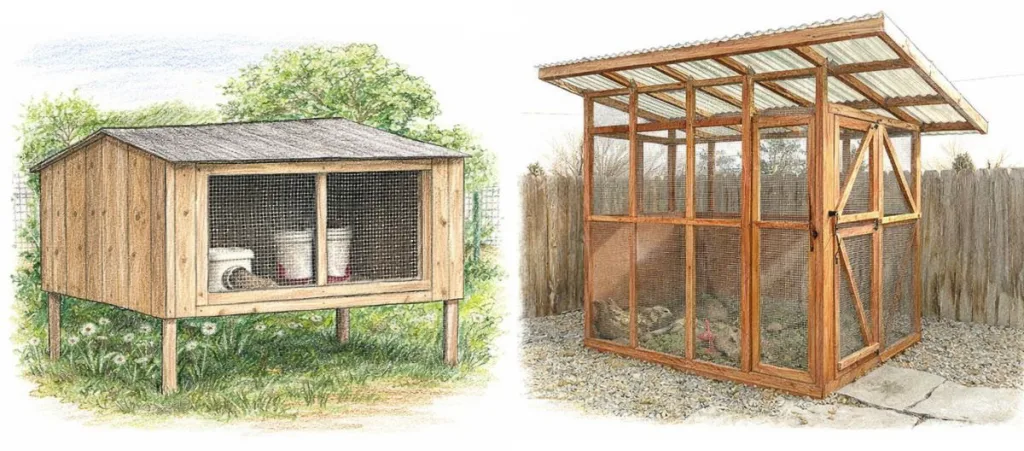
Quail Pen + Aviary Setups (Outdoor Enclosures)
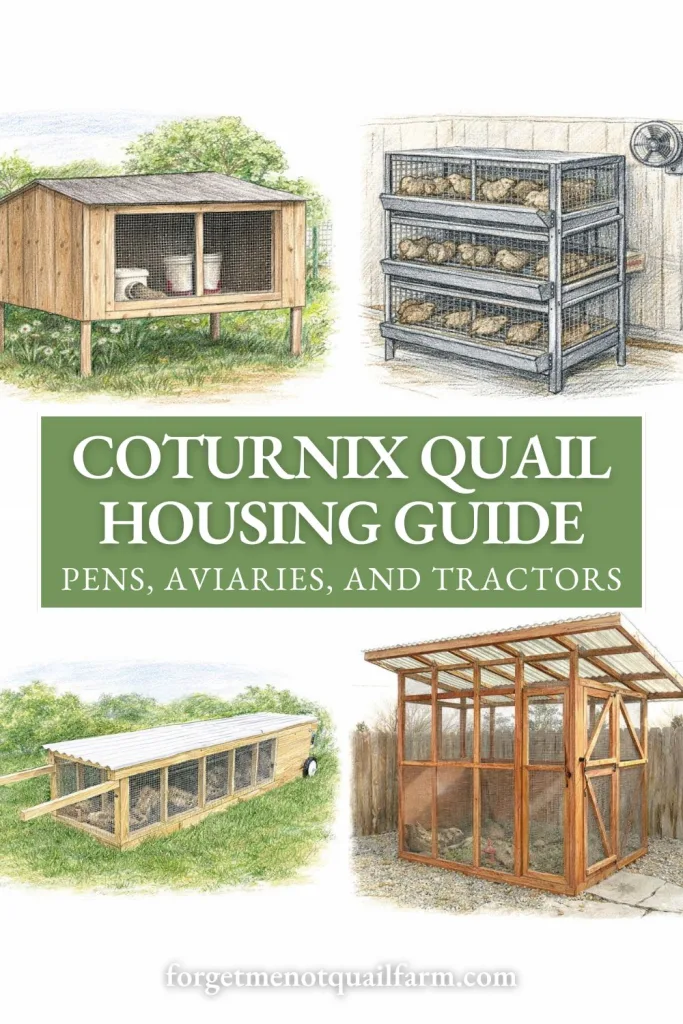
For a quail coop or ground pen, you’ll want one to one and a half square feet per bird. This gives room to move, dust bathe, and avoid constant contact. More space is not always better. In large ground pens with relatively small coveys, dominant birds can claim sections of the enclosure and harass others. I have seen more scalping in oversized pens than in properly stocked ones.
Ground pens and walk-in setups are often taller, but height needs to be intentional. Ceilings need to be at least 6 feet so startled birds don’t strike the ceiling when they flush. If your ceiling is less than 6 feet, soft netting or padded ceiling material helps prevent injury.
Housing on the ground tends to feel simpler at first, but it requires regular bedding checks. If bedding stays damp for more than a day or two, odor and respiratory stress increase quickly. They also demand stronger predator protection. Buried hardware cloth and tight seams are not optional. With ground housing, you trade manure trays for bedding checks and predator control.
If you want a deeper breakdown of pen versus aviary spacing, I cover that in detail in my guide on space requirements for Coturnix quail pens and aviaries.
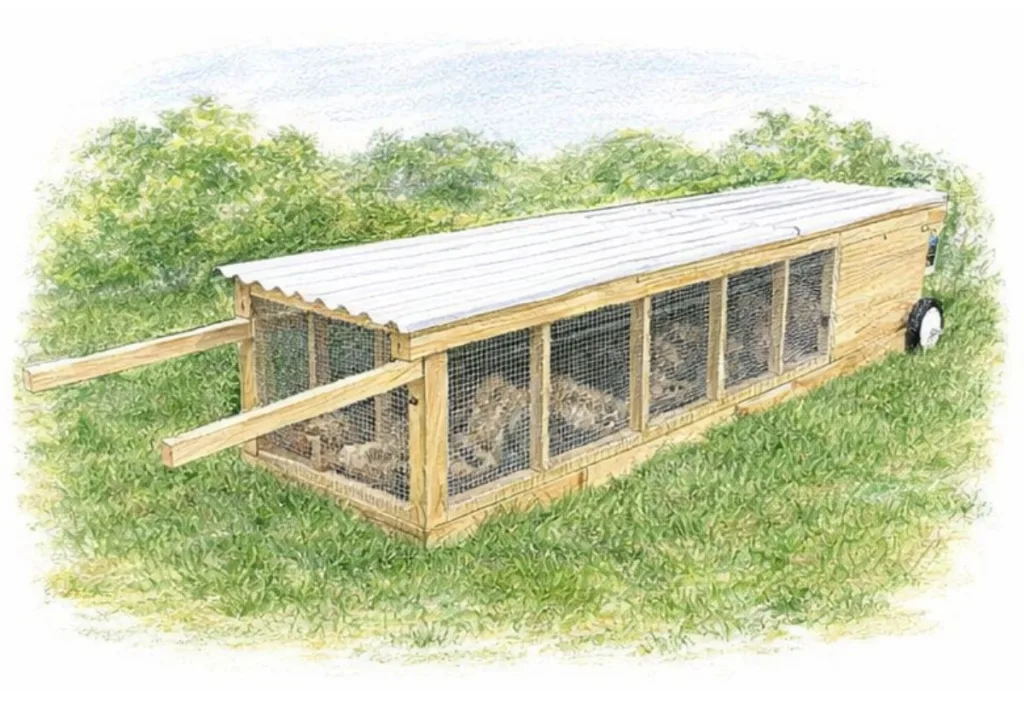
Quail Tractor + Mobile Pen Ideas
Quail tractors are low, lightweight pens (sometimes on wheels) that sit directly on grass or soil and are moved regularly. They allow birds access to fresh ground while still keeping them contained. They are ideal for small coveys of eight to fifteen birds. Larger groups are harder to move and manage. If you cannot move the pen consistently, a fixed system is usually more practical.
Because tractors are typically moved every one to three days, stocking density can fall between stacked cages and full colony setups. I aim for roughly three quarters to one square foot per bird in a tractor system, depending on how often it is moved and how well the ground drains.
Get the height wrong, and birds hit the ceiling. Tractors are usually kept low, often eight to twelve inches tall, to reduce vertical flush injuries. Coturnix flush straight up when startled. Keeping the ceiling low helps prevent head injuries. If a tractor is built taller than twelve inches, the ceiling should be cushioned.
Quail Coop Setup: Airflow, Flooring + Cleaning
Housing is not just walls and wire. It is air movement, moisture control, and how droppings are handled.
Coturnix are cold hardy but draft sensitive. They can handle low temperatures, but stale air causes more problems than cold air. If you smell ammonia when you open the pen, airflow is not sufficient. Air needs to move. But you should not feel wind at bird height unless it is hot out. During the winter, open ventilation panels above bird level work better than gaps at floor level.
Wire flooring keeps birds cleaner and reduces parasite pressure associated with fecal buildup. In high-density cages, I check manure trays every few days and empty before buildup dries and flakes. Solid floors require routine bedding changes. If bedding stays damp, you will see more odor and more respiratory stress. If droppings are caking or sticking, cleaning is overdue.
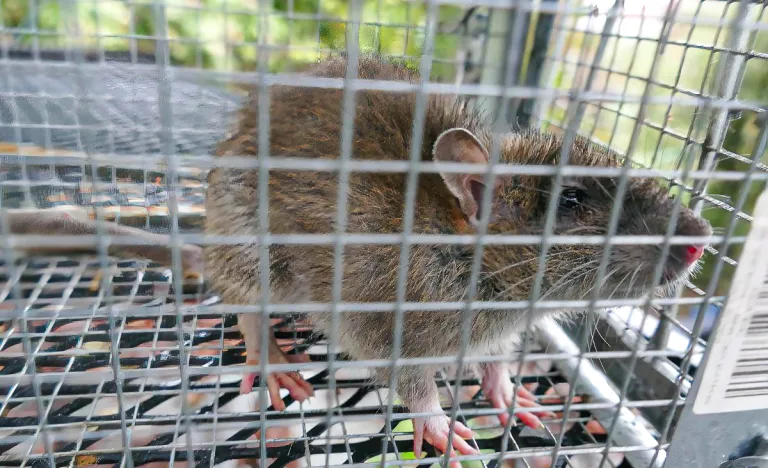
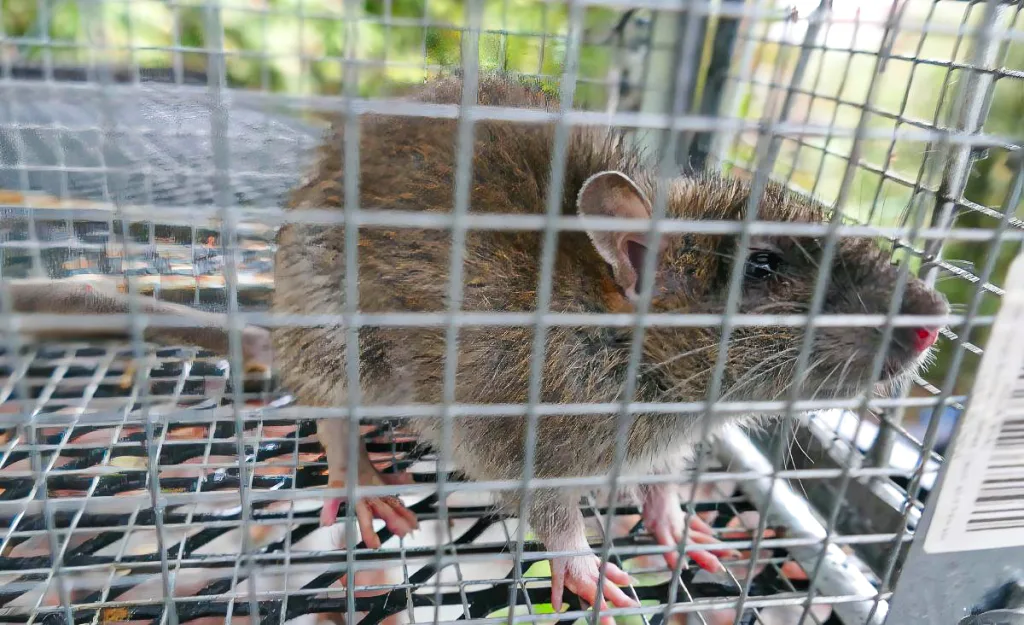
Rodents are attracted to spilled feed and sheltered warmth. I design housing so feeders are secure and feed storage is sealed. Hardware cloth, not chicken wire, should be used anywhere a predator could push or chew. I also go deeper into rodent control strategies in keeping mice and rats out of quail pens if you are seeing signs of activity.
Many of the housing lessons I learned came from rebuilding pens that did not age well. I share those early mistakes in what I wish I knew before buying Coturnix quail, especially around ventilation and cleaning workflow.
Water Systems That Support 24-Hour Access
Clean water access is one of the simplest ways to improve health. Open bowls foul quickly. Bedding gets kicked in, droppings land in the water, and birds track moisture across the pen. Over time, that leads to damp floors and higher ammonia levels. I prefer nipple waterers fitted with small dribble cups underneath. The nipple controls flow, and the cup catches excess so birds can drink comfortably without soaking the pen. Once installed at the right height (just above the chest), they give birds constant access to clean water with far less daily mess.
Indoor Quail Housing (Garage + Small Space Setups)
Many readers ask if Coturnix can live in a garage or shed. They can, but indoor housing raises specific concerns.
First, airflow matters even more indoors. Dust and ammonia build up quickly in enclosed spaces. Second, lighting must be consistent if you want steady egg production. Third, noise and daily access need to fit your household routine.
I have written separately about housing Coturnix quail in a garage or shed if you are weighing that option.
For urban or tight backyard setups, careful space math is critical. I outline realistic small-space approaches in raising Coturnix quail in small spaces so you can see what works without crowding.
If you are building on a tight budget, you do not have to start with commercial systems. I outline practical build ideas and cost-saving approaches in DIY and money-saving tips for raising Coturnix quail, including where to invest and where to simplify.
Frequently Asked Questions
If you are still sorting through details, here are a few common questions I hear at the hatchery.
Yes, in many climates they can live outside year-round if protected from drafts, moisture, and predators. Cold alone is rarely the main problem. Damp, stagnant air is.
Insulation can help in harsh climates, but ventilation should never be sacrificed. Trapping moisture inside a tightly sealed pen causes more trouble than low temperatures.
It depends on the system. In stacked wire cages, two to three birds per square foot works when manure drops away from them. In colony or ground pens, one to one and a half square feet per bird is a better baseline.
Coturnix are social. A single bird often becomes stressed and vocal. Plan for a small covey rather than a lone bird.
Getting space wrong in either direction. Too many birds in a tight setup causes stress and ammonia buildup. Too much open space in ground pens can trigger territorial chasing and scalping, especially when cocks establish dominance.
Housing is not complicated, but it does need thought. Start with realistic numbers. Design for easy daily access. Match your stocking rate to your housing style. If something feels hard to clean or awkward to reach during chore time, adjust it early. Small layout changes make a big difference over the life of a pen.
You do not need the most expensive setup. You need a setup that fits your space, your climate, and the number of birds you plan to manage. Get the setup right, and the birds settle in.
Build it right now so you are not fixing it later.